Wondering if Citrus Heights is a smart first home move? You are not alone. Many buyers want a solid starter home, an easier payment, and room to update over time without giving up access to Sacramento. In this guide, you will see how Citrus Heights stacks up on price, home types, commute, schools, safety, renovation costs, and down payment help. Let’s dive in.
Why buyers consider Citrus Heights
Citrus Heights delivers a clear price advantage within the Sacramento suburbs. As of early 2026, typical home values hover around the mid 400s, while nearby Roseville and Folsom trend much higher. That lower entry point often means you can buy sooner or keep more budget for updates.
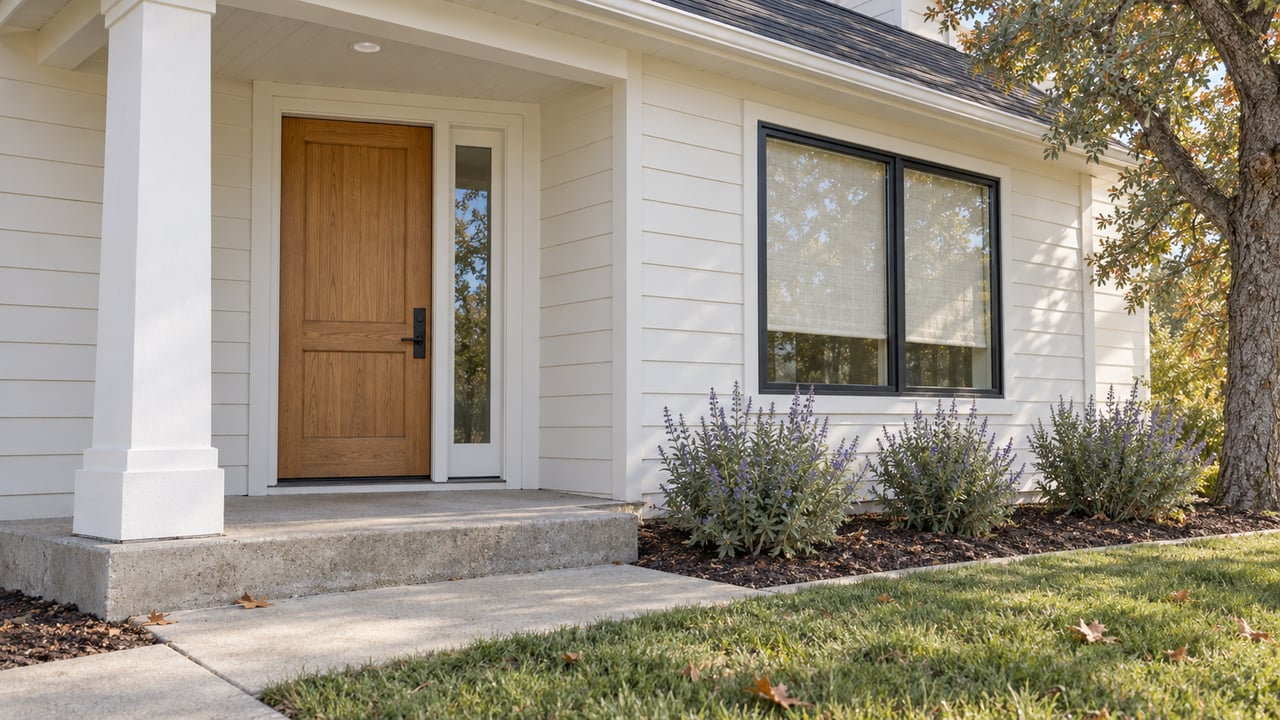
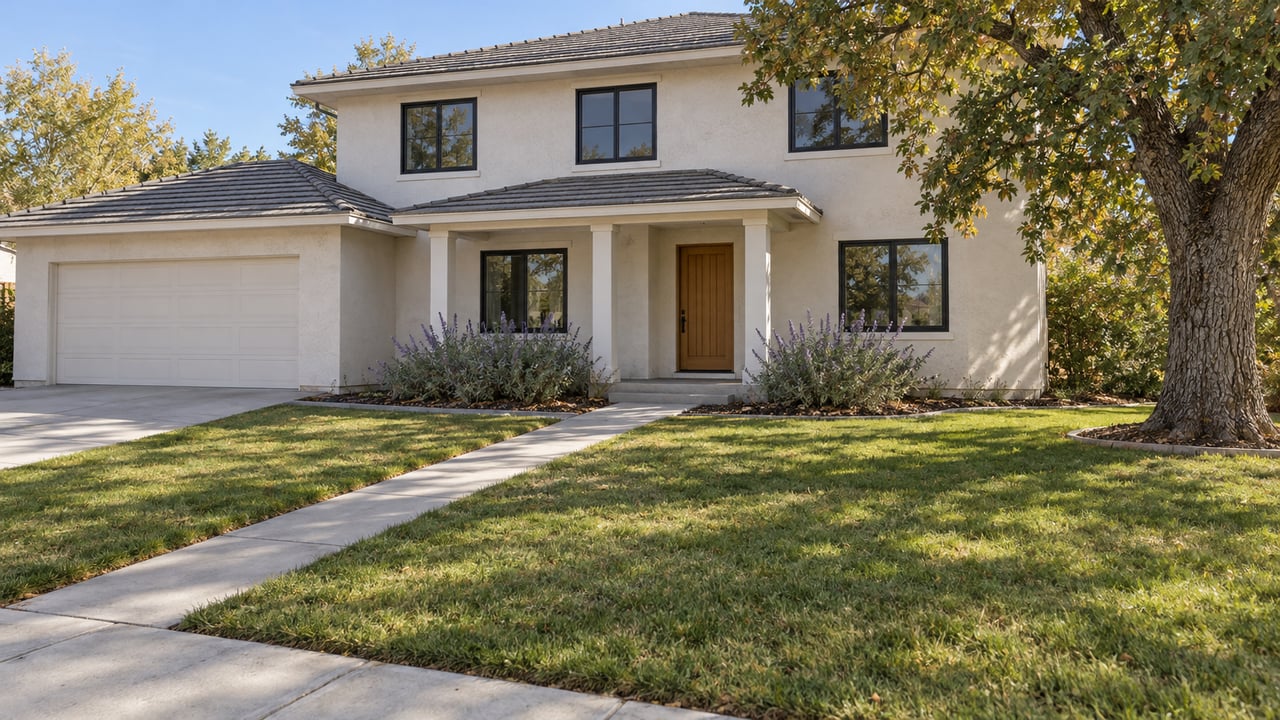
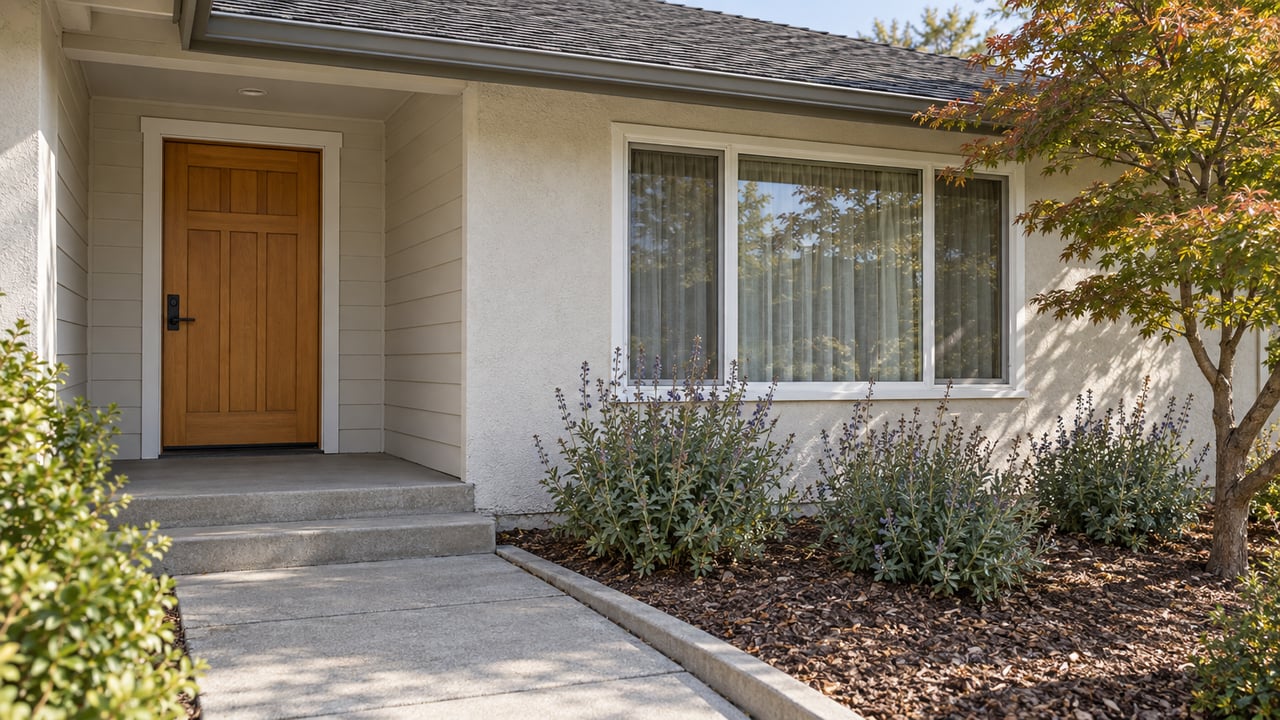
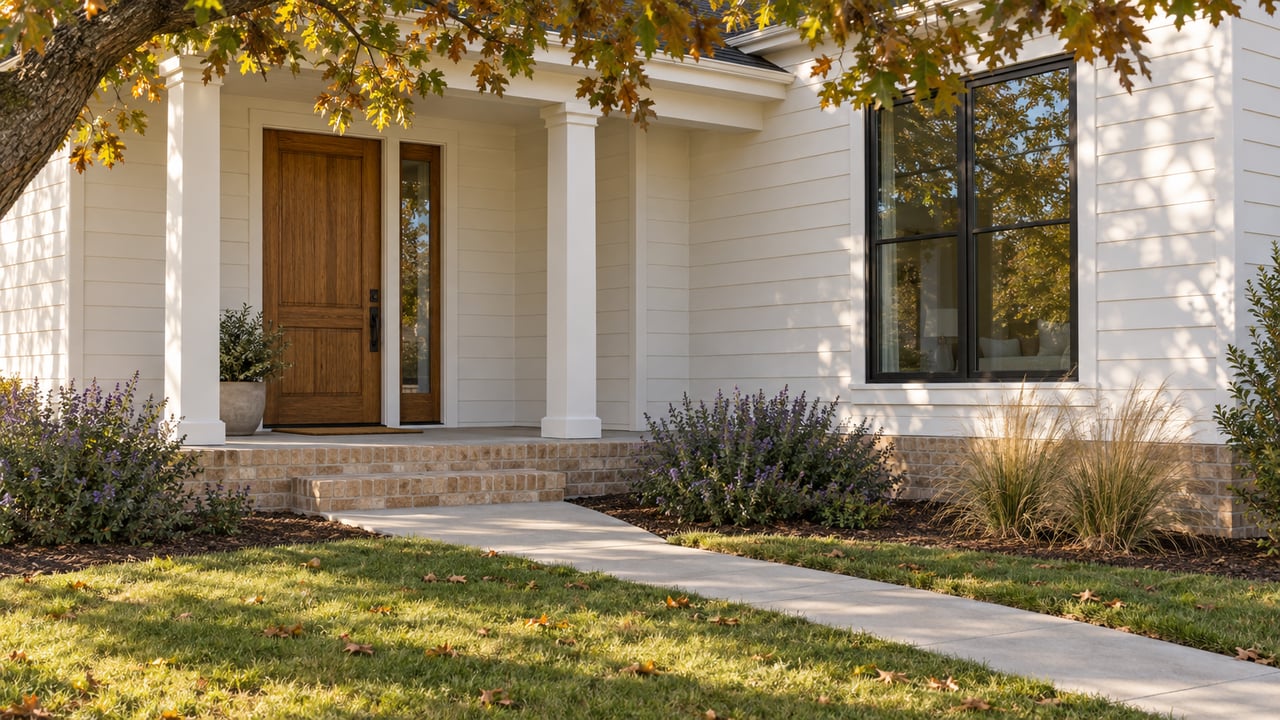
The city is mostly established neighborhoods with classic single family homes. You will find a practical mix of single story and split level layouts, attached garages, and usable yards. Many properties are ready for cosmetic refreshes, which can be a plus if you want to build equity.
Affordability snapshot
- Median household income in Citrus Heights is about $82,314, based on recent Census estimates. That sits alongside owner values in the mid 400s, which helps many first time buyers qualify within local norms. See the latest figures in Census QuickFacts.
- Market tempo in early 2026 is competitive. Starter homes under the local median can see multiple offers and faster days on market. Move quickly when you find a good fit and be ready with a complete preapproval.
Starter homes you will see
- Housing stock skews older, with a median year built around 1976 to 1977.
- Typical starter homes are 2 to 4 bedrooms, 1 to 2 baths, roughly 1,200 to 1,600 square feet, and often need cosmetic updates.
- Detached single family homes make up the majority of properties. Townhomes and condos exist but are a smaller share.
This age profile creates real opportunity. You can target well maintained homes that need a style refresh, or buy a house that needs a bit more work and capture sweat equity.
Renovation potential and real costs
Use Sacramento region Cost vs Value data to budget. Recent regional figures show:
- Minor Kitchen Remodel, midrange, roughly 27k to 29k.
- Major Kitchen Remodel can exceed 78k.
- Midrange Bath Remodel often runs about 26k to 28k.
Review the Sacramento section of the Cost vs Value report for current ranges and resale value recapture at Remodeling’s Cost vs Value.
Important if the home predates 1978: lead safe rules apply. Sellers must disclose lead hazards, and contractors must follow EPA Renovation, Repair and Painting practices. If you plan updates that disturb painted surfaces, learn the basics at the EPA’s TSCA compliance page.
Commute and transit
Citrus Heights sits about 14 to 16 miles from downtown Sacramento. For many drivers, that means roughly 20 to 30 minutes outside peak traffic. The city offers quick access to major corridors, with Interstate 80, US 50, and I 5 reachable within a short surface street drive from parts of town. See the city’s overview of Transportation Access.
Public transit is primarily bus based via SacRT. Most trips to light rail require a bus to rail transfer at Watt I 80 or other hubs. Expect longer transit times than a direct rail suburb. If you need a rail line at your doorstep, compare options in Folsom or certain Sacramento neighborhoods. If you drive, Citrus Heights can be a practical fit.
Schools and neighborhood factors
Public schools in Citrus Heights are primarily within the San Juan Unified School District. Campus performance varies across the district, and a recent facilities bond, Measure P, supports facility upgrades over time. Explore district links and local school information through the city’s Schools page.
Like any city, crime trends differ by area and over time. Recent reporting shows increases in some categories through 2024. Review block level data and talk with local resources when comparing neighborhoods. For context on recent activity, see local coverage from the Citrus Heights Sentinel on arrest trends and police reports.
First time buyer assistance you can use
State and local programs are active in the Sacramento region and can reduce upfront cash needs:
- CalHFA MyHome Assistance. A subordinate, deferred loan that can provide up to 3.0 percent on conventional or 3.5 percent on FHA for down payment and closing costs, through approved lenders and after homebuyer education. Review details on CalHFA MyHome.
- GSFA Platinum. Down payment assistance options up to about 5 to 5.5 percent of the first mortgage amount on select products, with a mix of second mortgage and gift or forgivable portions through participating lenders. Learn more at GSFA Platinum.
- SHRA resources. Sacramento Housing and Redevelopment Agency offers local programs, which may include PLHA, CalHome, and MCC offerings, subject to funding cycles and eligibility. Start with SHRA homebuyer resources.
Program notes: many options require use of an approved lender, homebuyer education, income or price limits, and primary residence occupancy. Funding can change, so connect with an approved lender early.
Beyond the mortgage: taxes and ownership costs
- Property taxes in California start with a 1 percent base under Proposition 13. Effective bills commonly sit near about 1.1 percent once local bonds and assessments are included, but parcel specifics vary. See an overview from the Legislative Analyst’s Office on Prop 13 and property tax.
- Budget for owner’s insurance, utilities, potential HOA dues, and a repair reserve, especially for older homes. Census QuickFacts provide helpful context for typical owner costs and local incomes in Citrus Heights.
Who Citrus Heights fits best
Citrus Heights tends to work well if you:
- Want a lower entry price than Roseville or Folsom.
- Plan to commute by car to Sacramento or nearby job centers.
- Like the idea of an established neighborhood with renovation upside.
- Can budget for modernization over time.
Tradeoffs to weigh:
- Older homes may need systems updates plus cosmetic work.
- School performance varies by campus, so check specific boundaries.
- Crime patterns differ by neighborhood, so review block level data.
Keep an eye on the Sunrise Boulevard and Greenback Lane area. The city’s Sunrise Tomorrow framework sets up long term mixed use redevelopment potential near the mall, which could evolve amenities and traffic patterns over time.
A simple path to your first home
Use this step by step outline to move from browsing to closing:
- Align budget and programs
- Connect with an approved lender and ask about CalHFA, GSFA, and any SHRA options you might qualify for.
- Clarify your max payment target and funds to close. Ask for scenarios that include assistance stacking.
- Target the right homes
- Focus on starter friendly neighborhoods and price bands below or near the median.
- Decide your remodel appetite. If you want turnkey, plan for competition. If you will refresh kitchens and baths, widen your search.
- Verify the bones and permits
- Prioritize inspections for roof, HVAC, electrical, plumbing, and sewer.
- Review permit history. For pre 1978 homes, plan for lead safe work on any paint disturbance.
- Budget realistic upgrades
- Use Sacramento Cost vs Value to rough in project budgets, then gather local bids.
- Common first year projects include paint, floors, lighting, minor kitchen updates, and bath refreshes.
- Write a clean, confident offer
- Have your preapproval, proof of funds, and assistance details ready.
- Consider terms that help you win without overextending, such as flexible closing or a targeted repair request strategy.
Is Citrus Heights a smart choice for you?
If you value a lower price point, an easy car commute, and the chance to shape a home over time, Citrus Heights is worth a close look. The combination of older yet solid housing stock, active down payment programs, and steady access to Sacramento jobs is compelling. Just be sure to verify the specifics on the home you choose and budget for the updates that matter most to you.
Ready to compare neighborhoods, run numbers, and tour smart starter options? Reach out to the team at Real for local guidance and a smooth first purchase.
FAQs
What is the typical home price in Citrus Heights for first time buyers?
- Entry level single family homes often list and sell around the mid 400s in early 2026, which is lower than nearby Roseville and Folsom.
How long is the commute from Citrus Heights to downtown Sacramento?
- Driving is about 14 to 16 miles and can take 20 to 30 minutes outside peak traffic, with longer times during rush hour.
What kinds of starter homes are common in Citrus Heights?
- Many homes are 1970s era ranch or split level properties, 2 to 4 bedrooms, that are livable but benefit from cosmetic updates.
What renovation costs should I plan for on a starter home?
- Sacramento region data shows minor kitchen remodels around 27k to 29k, bath remodels about 26k to 28k, and major kitchens higher. Always confirm with local bids.
Are there down payment assistance programs available in Citrus Heights?
- Yes. CalHFA MyHome, GSFA Platinum, and SHRA programs are active regionally and can reduce upfront cash needs through approved lenders.
How are schools in Citrus Heights?
- Public schools are in San Juan Unified, with mixed performance across campuses. Check specific school boundaries and recent updates, including facilities investments.
What should I know about property taxes in Citrus Heights?
- California’s Prop 13 sets a 1 percent base, with typical effective rates near 1.1 percent once local bonds are included. Confirm the exact parcel rate during escrow.