Wondering whether you should update your Citrus Heights home before listing or just sell it as-is? It is a common question, especially in a city where many homes were built decades ago and owners are weighing repair costs against a strong move. The good news is that you do not always need a full remodel to make a smart sale. With the right strategy, you can focus on the updates that matter most, avoid overspending, and choose a path that fits your timeline and budget. Let’s dive in.
Why This Question Matters in Citrus Heights
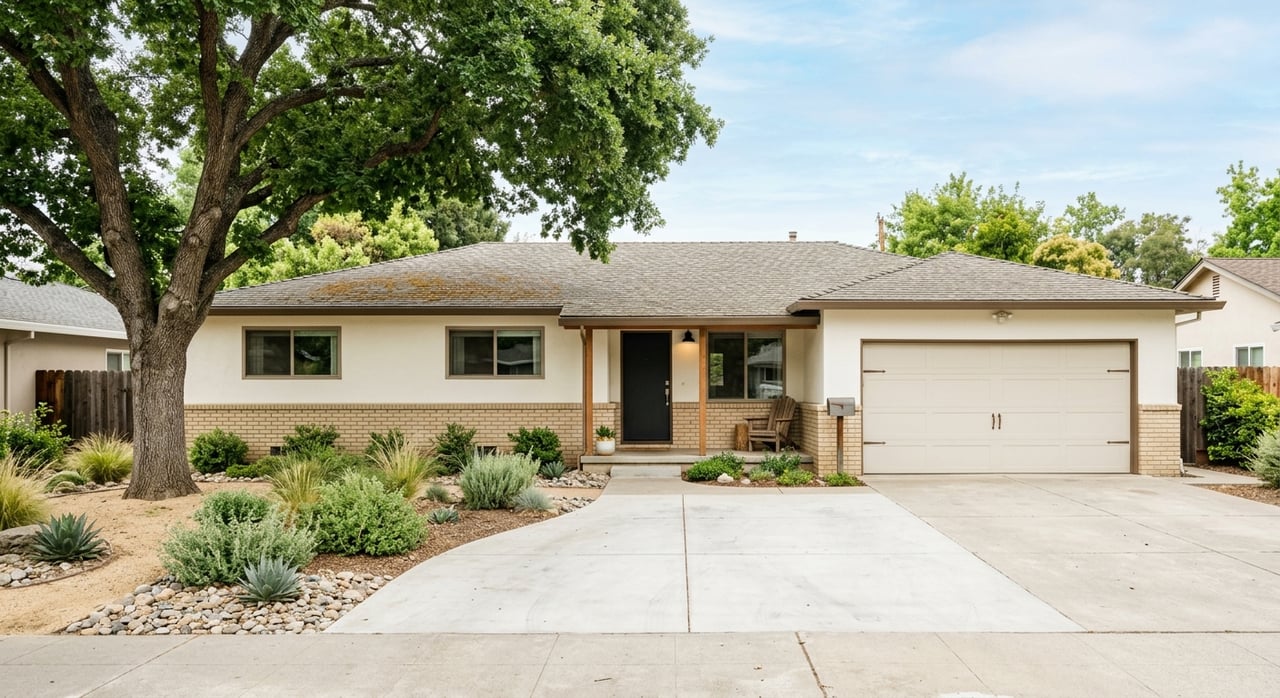
Citrus Heights has an older housing stock than many newer suburban markets. According to the city, Citrus Heights is 98% built out and much of its housing was built between 1950 and 1979. That means buyers are often comparing established homes with varying levels of updates, not rows of brand-new construction.
That context matters if you are selling. A dated home in Citrus Heights is not unusual, and older finishes do not automatically mean you need a major renovation. In many cases, buyers are looking for a home that is functional, well cared for, and priced appropriately for its condition.
Start With Function, Not Fancy Finishes
Before you think about trendy upgrades, focus on the basics. The smartest first step is to identify anything related to health, safety, soundness, or major deferred maintenance. Those are the issues most likely to affect buyer confidence, appraisals, and financing.
Fannie Mae appraisal guidance makes an important distinction here. A home can be considered "Not Updated" and still be functional and well-maintained. In other words, your older kitchen cabinets or original finishes may not be a problem if the home works as it should and does not show more serious defects.
What Usually Pays Off Before Listing
If you do plan to invest some money before selling, smaller visible improvements often make more sense than a full remodel. The 2025 Sacramento Cost vs. Value report shows that several modest exterior projects had strong cost recovery, including steel entry door replacement, garage door replacement, and manufactured stone veneer.
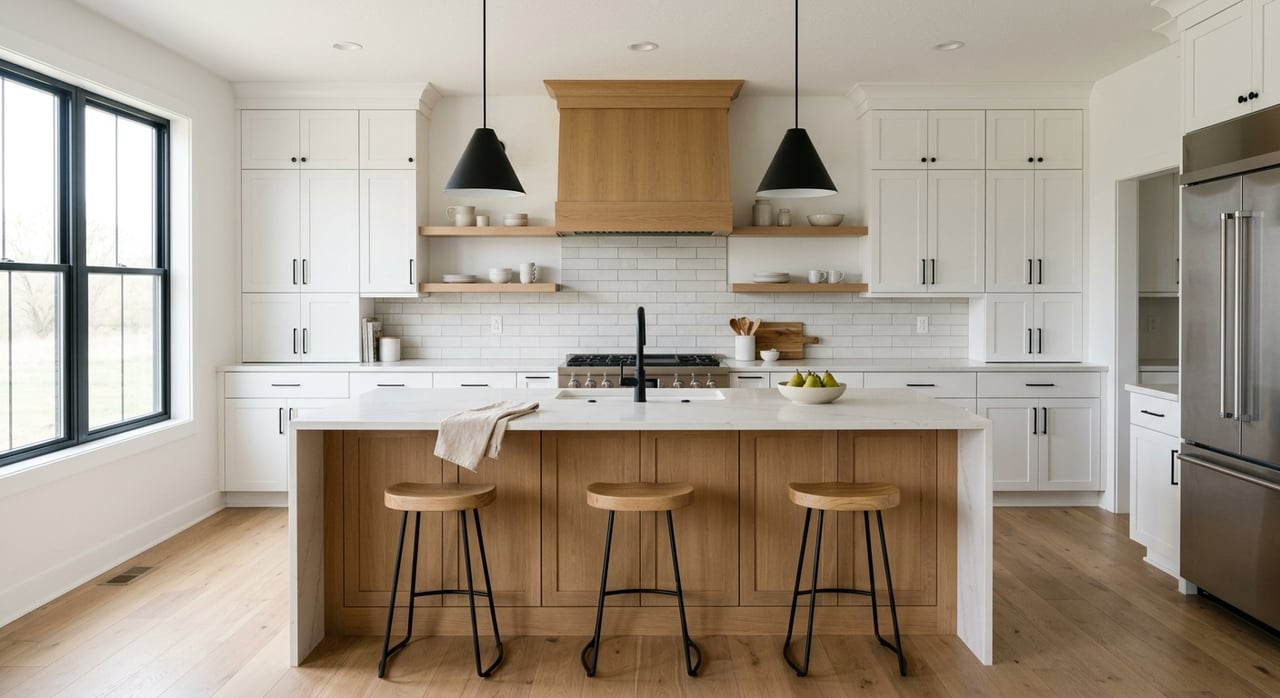
That same report shows a similar pattern inside the home. A midrange minor kitchen remodel recouped far more than a major kitchen remodel in the Sacramento area. For many Citrus Heights sellers, that supports a practical approach: refresh what buyers see first, improve presentation, and avoid pouring money into a full gut renovation unless there is a very specific reason to do it.
Smart pre-listing projects
These projects often make the most sense when your home is basically functional:
- Paint touch-ups or fresh neutral paint
- Flooring touch-ups or replacement in worn areas
- Updated light fixtures
- Front door or garage door improvements
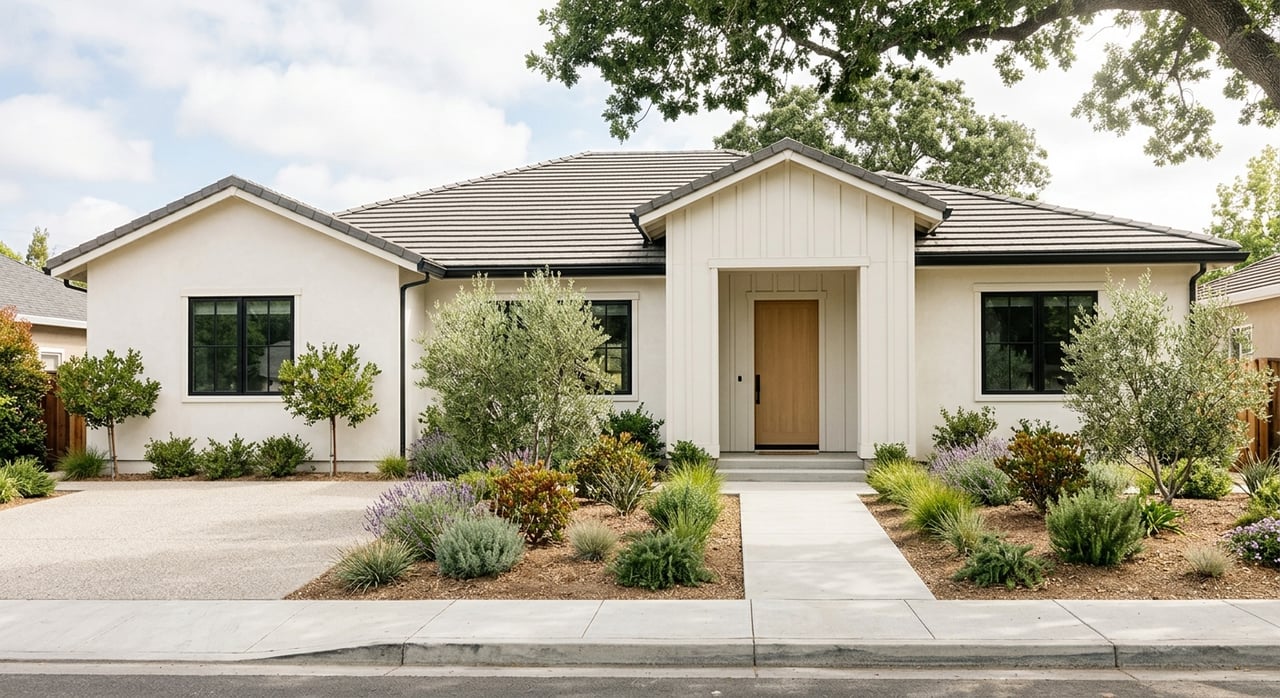
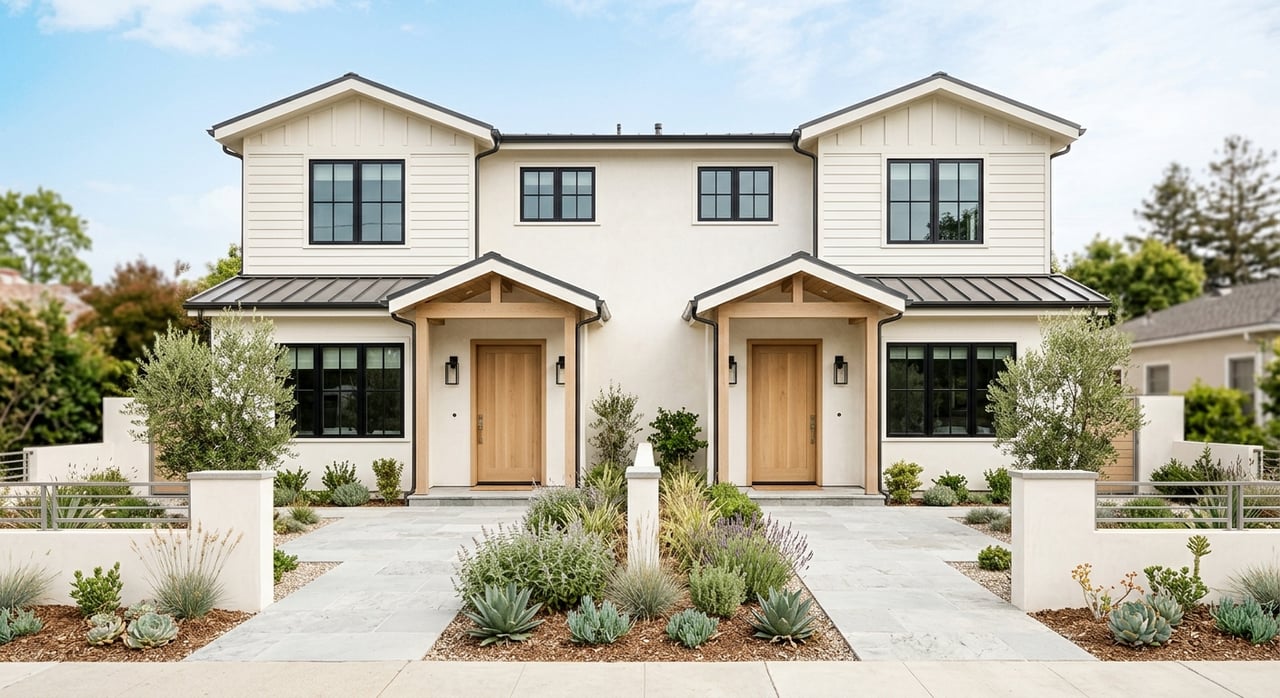
- Basic landscaping and curb appeal cleanup
- Minor kitchen refreshes instead of full remodels
- Repairing clearly visible defects that could raise red flags
These kinds of updates can help your home feel cleaner, better maintained, and more marketable without forcing you into a long renovation timeline.
When a Full Renovation Usually Does Not Make Sense
A major remodel can be tempting, especially if you are worried buyers will judge older finishes. But the numbers suggest caution. In Sacramento’s Cost vs. Value data, major kitchen remodels delivered much lower returns than lighter upgrades.
That does not mean larger projects are never worthwhile. It means you should be careful about assuming every dollar you spend will come back at closing. If your home is livable and functional, a full renovation may create more stress and expense than actual resale benefit.
How Buyers and Appraisers See Condition
One of the biggest mistakes sellers make is treating all flaws the same. Buyers, appraisers, and lenders do not usually view a worn but usable feature the same way they view an actual defect.
According to Fannie Mae’s property condition guidance, minor issues like worn carpet, small plumbing leaks, cracked window glass, missing handrails, or holes in screens may still be handled as-is if they do not affect safety, soundness, or structural integrity. But that same guidance also says appraisals must comment on deferred maintenance and defects that affect value or marketability.
Dated kitchen
A dated kitchen does not automatically need a remodel. Fannie Mae specifically notes that a not-updated area can still be functional. If cabinets, counters, plumbing, and appliances are working, you may be better off cleaning, painting, and presenting the space well rather than tearing it out.
Original windows
Older windows are not automatically a deal-breaker. If they are functional, buyers may simply factor their age into the overall condition of the home. But cracked glass, missing screens, or weather-related problems can shift the issue from cosmetic to repair-related.
Roof concerns
Roof questions are more serious when there are active leaks, signs of water intrusion, or damage that affects the home’s soundness. Fannie Mae’s appraisal materials note that roof problems and unfinished kitchen or bath work can become meaningful condition issues. In those cases, selling as-is may still be possible, but the condition will likely affect price, buyer pool, or financing options.
When Selling As-Is Makes Sense
Selling as-is can be a smart strategy in Citrus Heights, especially if you want to keep things simple. It often works best when the home is structurally sound but cosmetically dated, when you have limited time or cash for improvements, or when repairs are unlikely to produce enough resale lift to justify the cost.
This is especially relevant in an older housing market. Since many Citrus Heights homes were built decades ago, buyers often expect some variation in updates. If your home mostly needs cosmetic help rather than major correction, pricing it correctly and marketing it honestly may be more effective than over-improving it.
As-is may be a strong fit if:
- The home is functional but outdated
- You need to sell on a shorter timeline
- You want to avoid managing contractors
- The likely value increase from repairs is modest
- Several systems are older, making selective updates hard to justify
As-is may be a weak fit if:
- There are active roof leaks
- Water intrusion is present
- Kitchens or baths are not functional
- Defects could affect safety or occupancy
- The condition could create financing or appraisal problems
What As-Is Does Not Mean in California
An as-is sale does not erase your disclosure responsibilities. Under California law, the seller’s disclosure duties still apply, and they cannot be waived just because the property is being sold as-is. The California Department of Real Estate explains that sellers still need to disclose facts that materially affect a property’s value or desirability, including physical conditions.
That is important for every seller, but especially for older homes. Being upfront about known issues helps reduce surprises later and creates a cleaner transaction path.
Extra Caution for Pre-1978 Homes
Because much of Citrus Heights housing was built before 1978, lead-related rules can matter if you plan to renovate before listing. The EPA’s Renovation, Repair and Painting program notes that renovation work in pre-1978 homes can create dangerous lead dust, and lead-safe certified contractors are required for covered work that disturbs lead-based paint.
The EPA also requires disclosure of known lead-based paint and lead hazards in most pre-1978 housing before a buyer signs. If you are considering repairs or cosmetic work in an older home, it is wise to factor these rules into your timeline and planning.
A Practical Decision Framework
If you are stuck between renovating and selling as-is, keep the decision simple. Start by separating true repair issues from cosmetic aging. Then compare likely repair costs against probable resale benefit.
A good rule of thumb for Citrus Heights is this: address health and safety concerns first, then weigh cosmetic updates against local cost-recovery data, and only then consider a larger renovation. If the home mainly needs presentation help, a lighter prep strategy is often the better move. If multiple systems are near the end of their useful life, pricing the home as-is may be the more efficient path.
A Local Resource Worth Knowing
If your home needs essential repairs and you are exploring options, Citrus Heights offers a Housing Rehabilitation Program. Current guidelines say eligible single-family rehabilitation loans may provide up to $60,000 for repairs such as roofing, HVAC, plumbing, electrical work, water damage, and dry rot.
That program will not fit every seller, but it is a helpful example of how common repair-versus-sale decisions are in Citrus Heights. For some homeowners, it may offer a middle ground between doing nothing and taking on a full out-of-pocket renovation.
The Right Strategy Is Usually the Most Efficient One
The goal is not to create the fanciest house on the block. The goal is to make smart choices that support a strong sale without overspending. In many Citrus Heights homes, that means fixing meaningful issues, improving presentation, and resisting the urge to over-renovate.
If you want help deciding which repairs are worth it before you list, the team at Real can help you weigh condition, marketability, and likely return so you can move forward with confidence.
FAQs
Should you remodel a dated kitchen before selling a Citrus Heights home?
- Not always. If the kitchen is functional and well-maintained, a light refresh may make more sense than a full remodel.
Can you sell a Citrus Heights house as-is and still avoid repairs?
- You can sell as-is, but you still must disclose known material facts about the property’s condition under California law.
Do original windows hurt resale value in Citrus Heights?
- Original windows are not automatically a major problem if they work properly, but cracked glass, missing screens, or weather intrusion can become repair concerns.
Is a new roof worth it before selling a Citrus Heights home?
- It depends on condition. If there are active leaks or soundness issues, roof repairs may be important, but roof replacement is not always a strong profit-center project.
Are there repair help programs for Citrus Heights homeowners?
- Yes. The City of Citrus Heights has a Housing Rehabilitation Program that may help eligible homeowners with essential repairs.
What home updates usually have the best payoff before listing in the Sacramento area?
- Smaller visible upgrades, especially exterior improvements and modest kitchen updates, often show stronger cost recovery than major remodels.