Buying your first rental property in Roseville can feel exciting and a little intimidating at the same time. You want a property that rents well, holds value, and does not surprise you with costs you did not plan for. The good news is that Roseville offers a stable suburban market with strong rental demand, but success here usually comes from careful numbers and smart property selection, not guesswork. Let’s dive in.
Why Roseville appeals to first-time investors
Roseville is a large and active housing market with more than 163,000 residents and nearly 58,000 households. Census data also shows a 68.6% owner-occupied rate and a median gross rent of $2,099, while the city reports an average rent list price of $2,750 and about 90,200 jobs. That mix points to a substantial local housing base and a steady economic backdrop.
Current rental and resale activity also matters when you are buying your first investment. Zillow reports 262 available rentals in Roseville, an average asking rent of $2,595, and a warm rental market temperature. On the resale side, Zillow shows an average home value of $644,324, with homes going pending in about 17 days.
That does not mean every property is a good investment. It means Roseville has both renter demand and resale liquidity, which can help if your plans change later. Still, this is not a market where you should assume appreciation will fix a weak deal.
Start with the math
Before you fall in love with a property, run a simple first-pass screen. Using Zillow’s average rent of $2,595 and average home value of $644,324, the gross rent-to-price ratio is about 4.8%. Using the city’s average rent list price of $2,750 and median sale price of $665,650, the ratio is about 5.0%.
Those numbers are not cap rates, but they are useful guardrails. They tell you Roseville can work as a rental market, but only if you buy with discipline. A property that looks fine on paper can still underperform once real expenses are added.
Your first pro forma should include more than principal and interest. Make room for:
- Vacancy
- Property management
- Repairs and replacement reserves
- Property taxes
- Insurance
- HOA dues, if any
- Leasing and turnover costs
- Closing costs
- A cash cushion after closing
Fannie Mae notes that closing costs often run about 2% to 5% of the purchase price. CFPB and Fannie Mae also stress the importance of keeping reserve funds instead of putting every dollar into the purchase.
Know what rents in Roseville
Rent expectations should come from real comps, not broad averages alone. In Roseville, 3-bedroom houses on Zillow show examples in the mid-$2,000s to low-$3,000s, with sample asking rents around $2,495, $2,595, $2,700, $2,850, $2,990, $3,000, $3,300, and $3,500. There are also higher-priced outliers, but those should not set your base case.
For 3-bedroom apartments, Zillow shows many listings starting around $2,199, with many communities roughly between $2,468 and $3,650. Apartments.com gives more citywide context, showing about $1,964 for a 1-bedroom, $2,347 for a 2-bedroom, and $2,830 or more for a 3-bedroom.
The lesson is simple. Your rent estimate should match the property type, bedroom count, condition, and location as closely as possible. A clean 3-bedroom single-family home in a newer part of Roseville should not be underwritten the same way as an older infill home or a larger apartment unit.
Pick a beginner-friendly property type
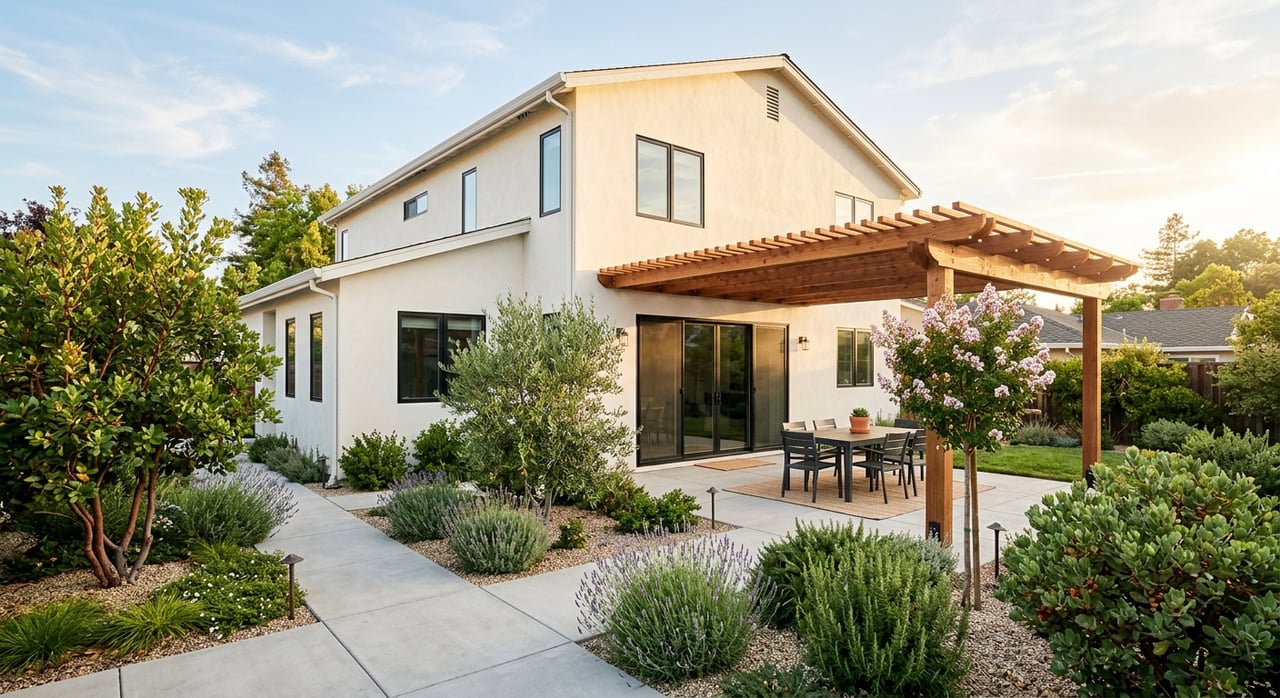
For many first-time investors, a single-family home is the most straightforward option. It is often easier to finance, easier to understand from a maintenance standpoint, and familiar to a broad renter pool. In a market like Roseville, that can make your first purchase easier to manage.
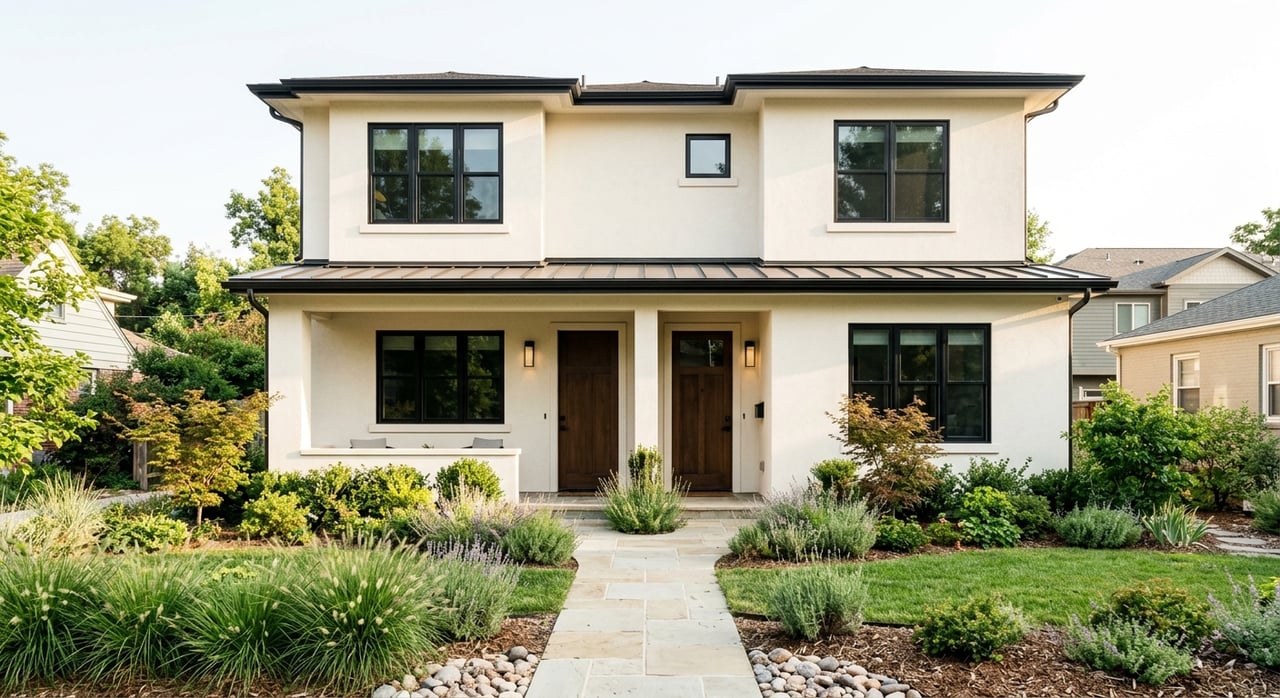
A small multifamily property can also be worth considering if the numbers work and you are comfortable with a more hands-on asset. The research suggests that Roseville may reward a well-bought single-family rental or small multifamily property, especially when you use conservative vacancy and expense assumptions.
If you are house hacking and plan to live in one unit, your financing options may look different. Fannie Mae and CFPB note that many owner-occupied loans can start with down payments as low as 3%, which can change your entry strategy. If the property is purely non-owner-occupied, investment underwriting is different and you should expect the loan conversation to reflect that.
Focus on the right Roseville areas
Location shapes both rent potential and maintenance risk. In Roseville, newer housing stock is concentrated in west Roseville, where the West Roseville Specific Plan includes 8,792 single-family and multi-family units. Zillow neighborhood values show Fiddyment Farm at $705,413, Pleasant Grove at $774,644, Blue Oaks at $692,521, Quail Glen at $686,052, and Woodcreek Oaks at $621,667.
In practical terms, newer west Roseville areas may offer broader renter appeal and lower near-term repair risk. At the same time, higher entry prices can pressure your cash flow. If a property has HOA dues or community rules, those need to be part of your underwriting from day one.
Older infill areas can present a different opportunity. Roseville’s housing element describes the infill area as the older portion of the city, generally established before the 1980s. It also notes that homes older than 30 years may begin to show signs of deterioration, and homes older than 50 years may need major renovations.
That does not make older properties bad investments. It means you need stronger due diligence, broader inspections, and a bigger repair reserve. For a first rental, that can be a smart value-add path if you buy carefully and understand the true cost of improvements.
Be careful with niche neighborhoods
Not every Roseville neighborhood fits a first-time investor’s goals. The Del Webb Specific Plan identifies Sun City as an age-restricted active-adult community of about 1,200 acres. That makes it an important local submarket, but it is usually not the default option if your goal is to reach the widest possible renter pool.
Downtown, Vernon Street, and Historic Old Town also deserve a different lens. The city’s planning documents frame these areas more as infill or mixed-use pockets than standard suburban rental neighborhoods. If you are new to investing, it may be easier to start with a more typical suburban product where rents, repairs, and renter expectations are easier to benchmark.
Understand California rental rules
If you are buying your first rental in Roseville, legal rules matter just as much as the purchase price. In California, the Tenant Protection Act is one of the biggest issues to understand. Under the Civil Code section covering just-cause eviction and rent caps, properties that received a certificate of occupancy within the prior 15 years may be exempt, and certain separately alienable single-family homes or condos may also qualify for a narrow exemption if ownership and notice requirements are met.
For you, the takeaway is practical. The age of the home and the way you hold title can affect the rental rules that apply. That is one more reason to review each property carefully before you buy, especially if you are comparing newer west Roseville homes to older infill stock.
Plan for vacancy and reserves
Even in a healthy market, vacancy is never zero forever. Roseville’s rental market looks active, and Census data shows that 86.9% of residents lived in the same house one year ago, which suggests a relatively stable residential base. Even so, your budget should assume some downtime between tenants.
CFPB recommends keeping an emergency cushion of at least three to six months of expenses. For a first-time investor, that reserve can make the difference between a manageable surprise and a stressful one. It also gives you options if a turnover, repair, or rent-ready update costs more than expected.
Roseville’s Housing Authority also notes that Housing Choice Vouchers can be used in Roseville and Rocklin. For landlords open to participating, that can broaden the applicant pool. Whether you go that route or not, the bigger point is to avoid relying on perfect occupancy in your projections.
A practical first-rental strategy
If you are trying to buy your first rental property in Roseville, a smart approach is usually simple. Look for a property with solid rent comps, manageable repair exposure, and numbers that still work after conservative expense assumptions. In many cases, that means a well-bought single-family home or small multifamily property rather than a stretch purchase based on best-case appreciation.
This is where local knowledge matters. Street-by-street differences, HOA considerations, housing age, and realistic rental comps can change the outcome of a deal fast. Having guidance from a team that knows Roseville can help you avoid common first-time mistakes and buy with more confidence.
If you are thinking about your first investment purchase in Roseville, Real can help you evaluate neighborhoods, compare property types, and build a smarter buy box for your goals.
FAQs
What is a realistic starting point for Roseville rental property returns?
- A simple gross screen in the research lands around 4.8% to 5.0% rent-to-price, which means disciplined underwriting is important before you buy.
What property type is often best for a first Roseville rental?
- A single-family home is often the most straightforward first option, though a small multifamily property can also work if the numbers and condition make sense.
Which Roseville areas are newer for rental investing?
- West Roseville has a large concentration of newer housing stock, including areas such as Fiddyment Farm, Pleasant Grove, Blue Oaks, Quail Glen, and Woodcreek Oaks.
What should first-time Roseville investors watch for in older homes?
- Older infill properties may offer value-add potential, but city planning documents note that older homes can show deterioration and may require more extensive repairs or renovation.
What California rental law issue matters when buying in Roseville?
- The Tenant Protection Act can apply differently depending on the property’s age, ownership structure, and whether specific exemption notice requirements are met.
How much cash reserve should a first rental buyer keep?
- CFPB recommends an emergency cushion of at least three to six months of expenses, and you should also plan for closing costs on top of your down payment.