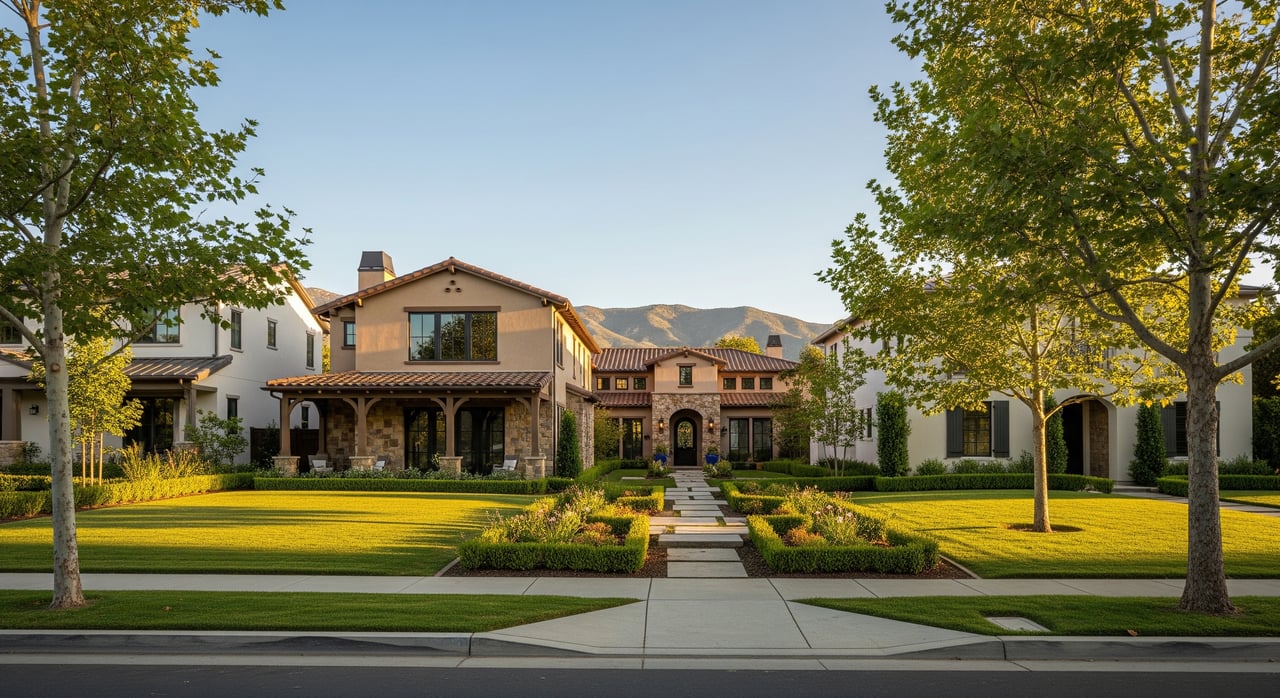
Feeling pulled in five directions trying to pick the right Roseville neighborhood? You are not alone. When you care about schools, commute time, parks, and the feel of the street, it can be hard to balance everything. This guide gives you a simple way to narrow your list, understand how Roseville is laid out, and use trusted tools to confirm the details that matter to your family. Let’s dive in.
Roseville at a glance
Roseville sits on the northeast side of the Sacramento metro with a mix of older in-town neighborhoods and newer master-planned areas to the west and north. You will also find a large 55-plus community and nearby higher-end suburban pockets just outside city limits. The result is real variety in age of homes, lot sizes, HOAs, and commute patterns.
- Old Town and central areas feature older homes, mature trees, and walkable access to shops and restaurants. Expect character, smaller lots, and the need to check the age of major systems like roof and HVAC.
- East and southeast Roseville include established subdivisions from the 1980s to early 2000s, with pockets of larger lots and mature landscaping.
- West and northwest Roseville are largely newer master-planned communities with parks, sidewalks, trails, and HOAs. Newer builds often offer modern floor plans and energy systems.
- Sun City Roseville serves 55-plus buyers seeking a turnkey, amenity-rich lifestyle.
- Granite Bay and unincorporated Placer County sit next door and often attract buyers seeking larger properties and a different suburban feel at generally higher price points.
Match your priorities to areas
Every move-up buyer weighs tradeoffs. Use the factors below to match your must-haves with the places most likely to fit.
Schools and boundaries
School assignment in Roseville depends on attendance boundaries, which can change. If schools are a top priority, verify current boundaries and performance before you focus on any one area.
- Start with the Roseville Joint Union High School District to understand high school assignment and district info.
- Review performance data on the California Department of Education site for official reports.
- Pair state data with community feedback on GreatSchools to round out your view.
Use these sources to confirm both current school assignments and feeder patterns. Keep it neutral and data-based as you compare options.
Commute and access
Your daily drive can feel very different based on how close you are to I-80 and State Route 65. West and northwest neighborhoods often have direct access to SR-65, while parts of the east side can be closer to certain I-80 on-ramps.
- Map commute times from specific addresses at peak hours to your most frequent destinations.
- Note directionality. Morning and evening choke points can change the math.
- Review city transportation resources on the City of Roseville site to understand local transit options and park-and-ride nodes.
Parks, trails, and recreation
If parks and outdoor time are high on your list, Roseville has strong options across the city. Older areas offer shade trees and small local parks. Newer master-planned communities feature planned parks, walking and biking trails, sports fields, and community spaces.
Maidu Community Park is a standout regional amenity, along with community centers and recreation programming throughout the city. Explore facilities and program details through the City of Roseville site.
Homes, HOAs, and maintenance
Your maintenance appetite and budget can guide your search.
- Newer master-planned areas often include HOAs that maintain shared parks, greenbelts, or pools. Verify dues and what they cover.
- Older neighborhoods typically have no HOA but may require more private maintenance, especially for roofs, trees, and systems.
- Lot sizes vary widely. If you want a larger yard, look to certain east-side pockets or edges of the city. If you prefer low maintenance, consider townhomes, condos, or HOA-managed neighborhoods.
A simple 5-step framework
You can move from overwhelmed to confident by following a clear process.
1) Prioritize non-negotiables
Write down your top three. Examples:
- Bedrooms and layout needs
- Target school boundaries
- Maximum commute time and direction
- Minimum lot size or desire for a pool
- Preference for newer builds or vintage character
- HOA presence or absence
- Walkability to parks, shops, or schools
2) Build a short list of areas
Create a 3 to 5 area shortlist aligned to your non-negotiables. Examples:
- Downtown and Old Town Roseville for walkability and character
- West Roseville master-planned areas for newer homes and parks
- East Roseville for mature landscaping and some larger lots
- Sun City Roseville for age-restricted, amenity-rich living
- Granite Bay or nearby unincorporated pockets if you want larger properties and higher-end options
List pros and cons for each choice tied to your personal priorities.
3) Verify what matters
Confirm the details before you get attached to one neighborhood.
- Schools: Check boundaries and feeder patterns through RJUHSD and performance data on the California Department of Education. Add community perspective from GreatSchools.
- Commute: Test real drive times from specific addresses during rush hour. Do the morning and the evening.
- Crime and safety: Review resources from the Roseville Police Department. Compare data across candidate areas and visit in person for context.
- Flood and hazards: Look up properties in the FEMA Flood Map Service Center.
- Permits and records: Use Placer County for assessor records and permit history, especially for older or recently renovated homes.
- HOAs and rules: Ask for HOA budgets, CC&Rs, and architectural guidelines before you write an offer.
- Upcoming changes: Check city planning and permitting maps via the City of Roseville to understand new roads, schools, or developments.
4) Visit at different times
Do drive-bys and walks at several times of day and week. Notice freeways, rail lines, and major roads that can affect noise. Look for on-street parking pressure, yard upkeep, pedestrian activity, and how people use nearby parks. See how long it takes to get to groceries, coffee, and school drop-off.
5) Think resale and long term
Ask your agent to pull comparable sales and micro-trend histories so you can see how similar homes in the area have performed. Consider how HOA rules, lot size, floor plan, and nearby amenities might affect future demand. If you expect to upsize or downsize within five to seven years, prioritize layouts and locations that will appeal to the broadest future buyer pool.
Example buyer profiles to guide you
- Move-up family seeking newer homes, parks, and school access: Focus on west and northwest master-planned areas and newer pockets in the east. You will likely find modern layouts near planned parks and good feeder patterns into preferred schools.
- Walkability and character near Old Town: Explore Downtown and Old Town Roseville and nearby established pockets for smaller lots, charm, and quick errands.
- Larger lots and high-end feel: Consider Granite Bay or adjacent unincorporated areas. Expect larger properties and higher price points, often outside city limits.
- Downsizers and active adults: Sun City Roseville offers an age-restricted community with golf, programs, and a community center, plus other low-maintenance condo or townhome options across the city.
Quick checklist to stay focused
- Define your top three priorities: schools, commute, yard, HOA.
- Confirm schools with district tools and the California Department of Education.
- Map real commute times at peak hours from specific addresses.
- Review crime maps and visit neighborhoods at multiple times.
- Verify HOA fees and CC&Rs before writing an offer.
- Review recent comparable sales with your agent for budget alignment.
- Confirm flood risk and check for planned development with city planning.
Final guidance before you choose
There is no single “best” neighborhood in Roseville. There is the right match for your family’s needs. Start with your non-negotiables, build a short list, then verify the details with trusted sources. Visit in person, sense the daily rhythms, and consider both today’s fit and tomorrow’s resale.
If you want local, step-by-step help comparing areas, mapping schools and commutes, and lining up the right homes to tour, our team is here for you. Reach out to Real for a friendly strategy session, neighborhood tours, or to get your free home valuation.
FAQs
Which Roseville neighborhoods have the best schools?
- School quality varies by attendance boundary; verify current assignments with the district and review performance on the California Department of Education site, then add community perspective from GreatSchools.
Is Old Town better than a newer master-planned area?
- Old Town offers walkability and character, while newer master-planned areas offer modern homes and planned amenities; choose based on your lot-size preference, maintenance tolerance, and desired lifestyle.
How long is the commute from Roseville to Sacramento?
- Commute time depends on your exact start and end points and time of day; I-80 and SR-65 are the main routes, so test your specific drive at peak hours for a realistic view.
Are there good options for 55-plus buyers in Roseville?
- Yes, Sun City Roseville is a major 55-plus community with extensive amenities; there are also low-maintenance condos and townhomes across the city to consider.
How should I budget for HOA dues and maintenance?
- Many newer areas and condos have monthly HOA dues that cover shared amenities, while older homes often have no HOA but may require more maintenance; verify specific HOA fees, rules, and coverage before you make an offer.