Pull up any portal's snapshot of Lincoln, California and you'll get a single number: a median sale price sitting somewhere in the low-to-mid $600s. Redfin puts it at $621,000 over the three months ending June 2026. Zillow's typical home value, as of June 30, 2026, comes in at $637,388. Those two numbers already disagree by about $16,000 before you've looked at a single house.
Here's the question worth asking before you anchor to either figure: which Lincoln is that number describing? Because Lincoln isn't one market wearing one price tag. It's at least three, and they don't compete with each other, don't move at the same speed, and don't cost the same to carry once you own them.
The city is really three cities
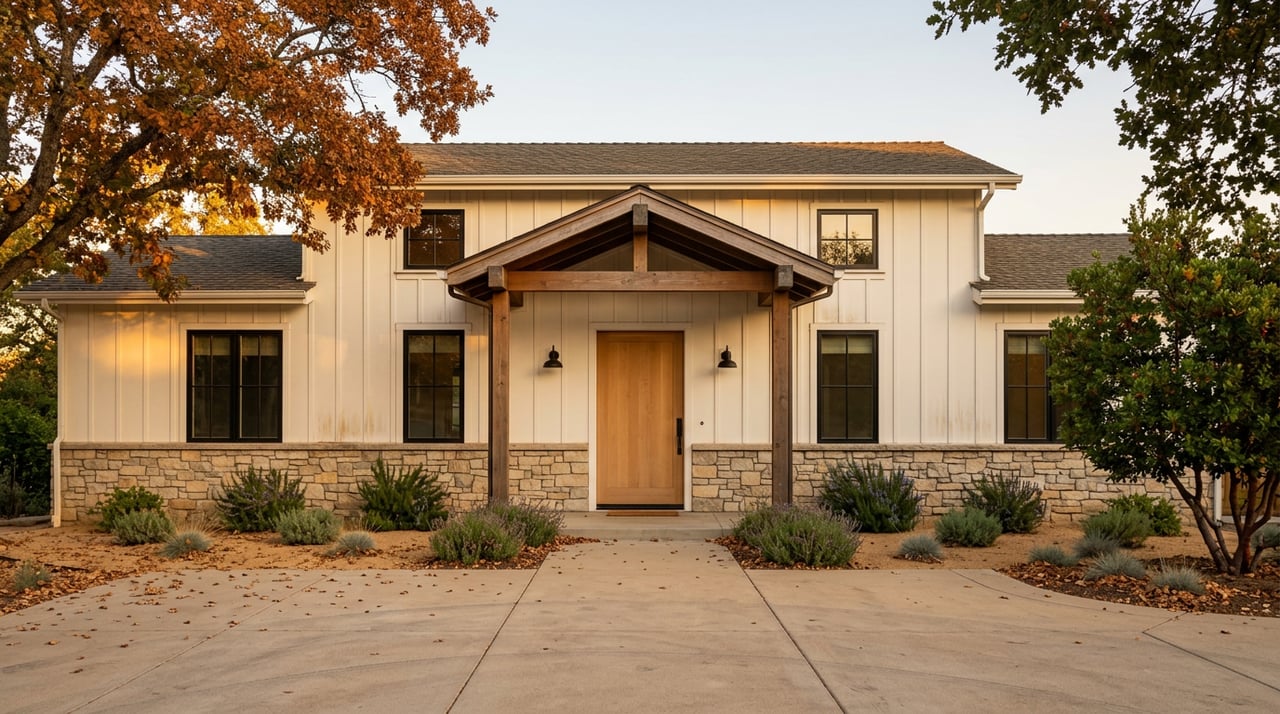
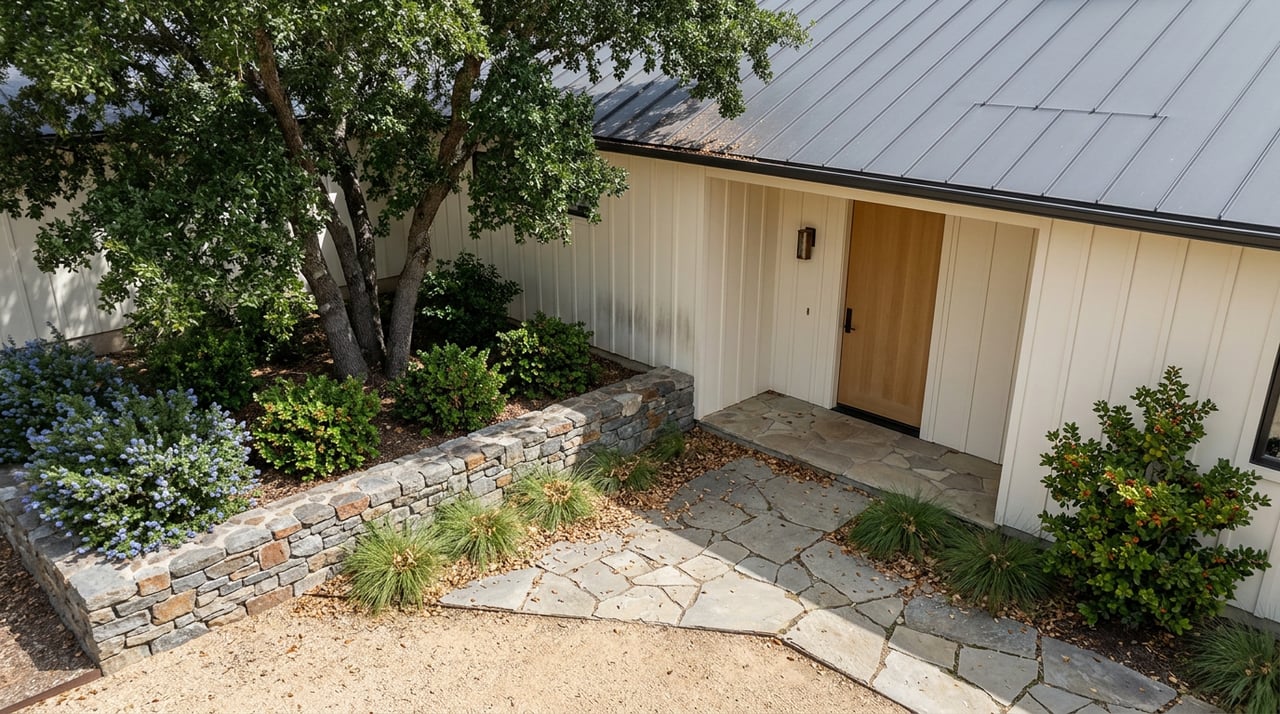
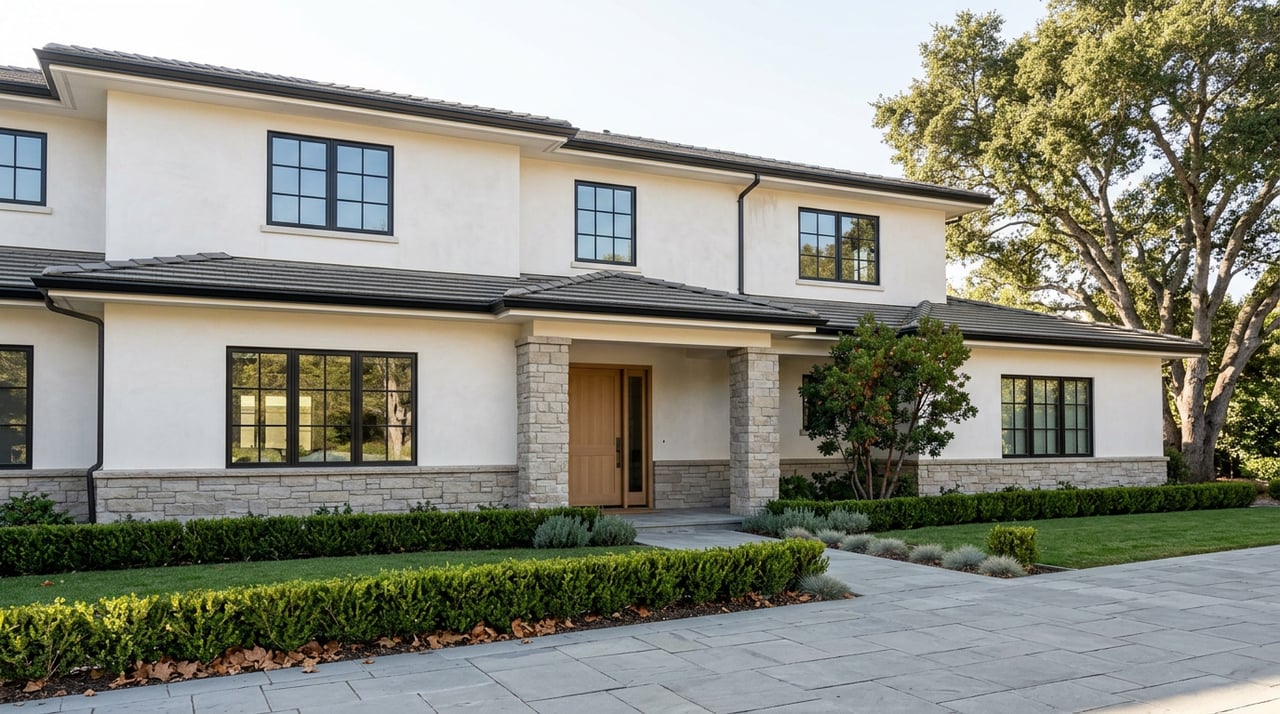
Drive through Lincoln and you'll pass through a 55-and-over golf community, a family-oriented master-planned neighborhood full of new construction, and a guard-gated estate enclave built around a private country club, often within a few miles of each other. Each one has its own price band, its own pace, and its own monthly bill beyond the mortgage.
Sun City Lincoln Hills is the age-restricted community built by Del Webb, with single-story home plans and attached villas designed for residents 55 and older. As of early August 2026, there were 35 active listings with a median list price of $629,000 and an average of $368 per square foot. Redfin's tracking from May 2026 puts the median sale price at $626,289, up 2.1 percent year over year, and scores the neighborhood 83 out of 100 on its competitiveness index. Many homes here get multiple offers, some with waived contingencies, and the typical listing goes pending in around 19 days. Owners pay a monthly community assessment of $188, billed quarterly at $564, according to the community association's own fee schedule.
Twelve Bridges Village is the opposite kind of neighborhood in almost every way. It's a family-oriented master plan zoned for Western Placer Unified schools, with a mix of resale homes dating back to the early 2000s and active new construction, including LGI Homes' Velare project and Century Communities' Millau Collection. As of May 2026, the median home price sat at $799,000 with an average sale price of $822,904, and homes were selling in 36 days on average, well under the national average of 58 days. The 12-month median sale price through that point was $794,625, up 3 percent from the prior 12 months. A separate Redfin snapshot from January 2026 put the median sale price even higher, at $885,000, up 7.3 percent year over year. Movoto's May 2026 data shows the pace picking up further still, with a median of 19 days on market, down 13 percent from the year before. Carrying costs here are a patchwork: some sections charge HOA dues around $162 a month, others have none at all, and most parcels carry a Mello-Roos special assessment of roughly $320 to $364 a month to fund the infrastructure that built the neighborhood.
Catta Verdera operates in a different tier entirely. It's a 24-hour guard-gated community spread across roughly 900 acres and organized into three villages, Monte Azul, Ladera, and Verdera, wrapped around a championship golf course. Completed single-family homes here list anywhere from $1,000,000 to more than $4,800,000 depending on lot placement and golf course frontage, and vacant home sites run $175,000 to $300,000 for buyers who want to build. The Catta Verdera Country Club operates independently of the residential HOA, meaning owners who want to golf pay a separate initiation fee and monthly dues on top of association fees, with pricing that varies by whether you choose a full golf membership or a social one. You can find more about the community's layout on the Verdera Home Owners Association's community page.
The part that breaks the rule you'd expect
Every buyer carries around an unspoken assumption: the more a home costs, the longer it takes to sell, because fewer people can afford it. Lincoln's own data argues against that.
Twelve Bridges, the priciest of the three mainstream submarkets after Catta Verdera's estate tier, is also one of the fastest-moving. A $799,000 median home there is selling in 36 days, and by Movoto's more recent count, in as few as 19. Compare that to the citywide market, where Redfin's summer 2026 figures show the average Lincoln home taking about 20 days to go pending, a number that reflects the blended pace of a much wider mix of housing stock, including older, non-master-planned resale homes that aren't competing with new construction or golf course lots at all.
The submarket with the highest price tag in this comparison is not the one taking the longest to sell. It's arguably setting the pace for the rest of the city.
That inversion matters because it tells you something about who's actually buying in Lincoln right now. The demand isn't concentrated in the cheapest available inventory. It's concentrated in the neighborhoods with the clearest identity: an age-restricted golf community with resort amenities, or a family master plan with move-in-ready new construction and a defined school pipeline. Buyers with financing in hand and a specific lifestyle in mind are moving fast, and they're not the ones dragging the citywide median toward $620,000.
The carrying cost is a second price tag
Sale price is only half of what it costs to own a home in any of these three pockets. The other half shows up every month, and it looks completely different depending on which Lincoln you're in.
A Sun City Lincoln Hills owner pays a flat $188 monthly assessment that covers the community's clubhouses, pools, and activity programming. A Twelve Bridges owner might pay nothing in HOA dues but $350 a month in Mello-Roos, or the reverse, a modest HOA and no Mello-Roos at all, depending on which phase of the development they bought into. A Catta Verdera owner pays HOA dues plus, if they want access to the golf course and clubhouse, a separate club initiation fee and monthly dues that aren't part of the home purchase at all.
None of these numbers show up in the median price you see on a portal search. They only show up once you're comparing a specific listing against a specific set of disclosures, which is exactly why the citywide median is such a poor stand-in for what you'll actually pay to live somewhere in Lincoln.
A gut check before you compare a listing to "the median"
If you're using Lincoln's citywide median as your baseline while shopping, run through this before you get attached to a number:
- Ask which submarket a listing is actually in. A home in Twelve Bridges Village priced near $800,000 isn't overpriced relative to the citywide median. It's priced correctly for its own market, which trades in a different band entirely.
- Ask what the monthly assessment covers and whether there's a Mello-Roos line item layered on top. Two homes at the same sale price in different Lincoln neighborhoods can carry monthly costs hundreds of dollars apart.
- Ask how fast that specific submarket is moving right now, not how fast Lincoln as a whole is moving. A 20-day citywide average tells you almost nothing about how much time you'll have to make a decision on a home in a neighborhood that's currently moving in half that time.
- If golf course access, club membership, or age-restricted amenities are part of the appeal, price those separately from the home itself. They're billed separately too.
A few common questions
Is Sun City Lincoln Hills only open to retirees? It's an age-restricted community under state and federal housing law, generally requiring at least one resident per household to be 55 or older. Buyers considering it should confirm current occupancy rules directly with the community association before making an offer.
Does Twelve Bridges have one HOA covering the whole neighborhood? No. Twelve Bridges is made up of multiple builder phases and subdivisions, each with its own HOA structure, and some parcels carry no HOA at all. Mello-Roos assessments are typically tied to the specific tax district a parcel sits in, not to the neighborhood as a whole, so two homes on the same street can carry different special assessments.
Why does Mello-Roos vary so much between these Lincoln neighborhoods? Mello-Roos assessments fund the infrastructure, roads, and school facilities that made a development possible in the first place, and the amount is set when a tax district is formed. Older sections of Lincoln built before a given assessment district existed may carry none, while newer phases built specifically to fund that infrastructure carry the ongoing cost. It's a detail worth confirming through the preliminary title report on any specific address, since it isn't reflected in the list price at all.
If you're comparing a specific Lincoln listing against numbers you've seen online and want to know what submarket it actually belongs to, and what that means for both the offer you write and the bill you'll get every month after closing, Olani Properties can walk through the comparison with you. Get your free home valuation and a straight answer about which Lincoln you're really buying into.