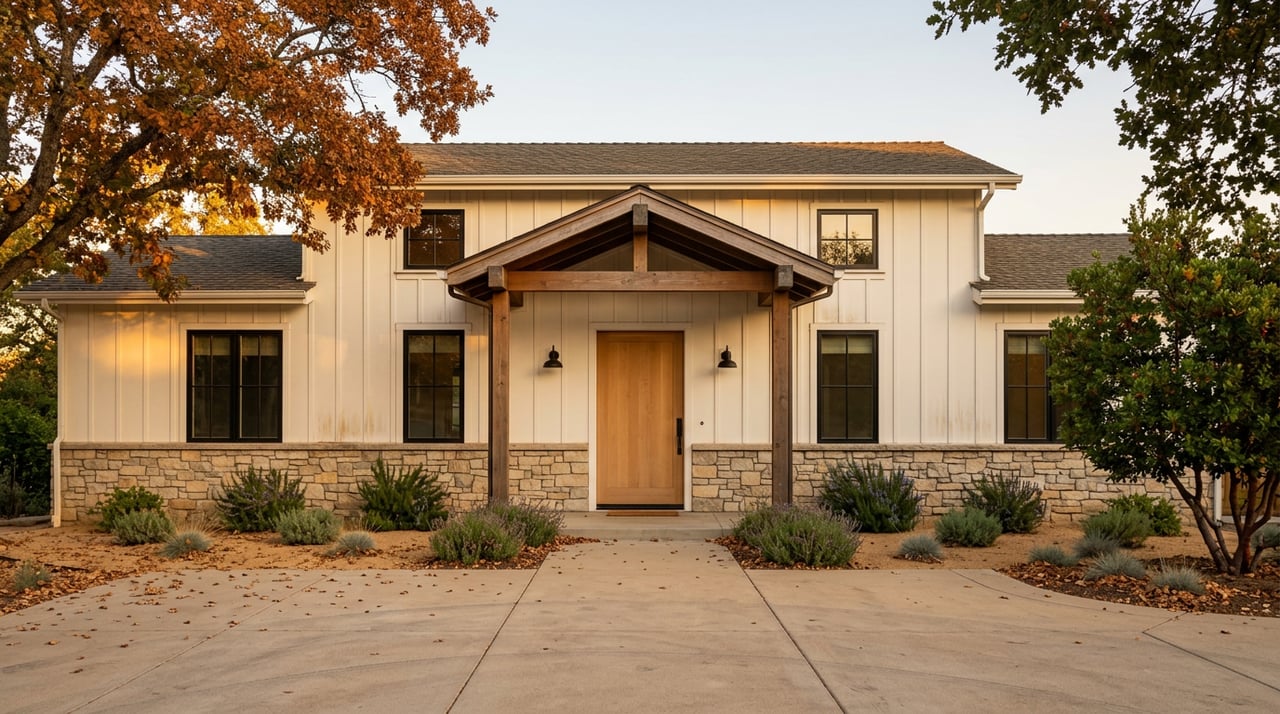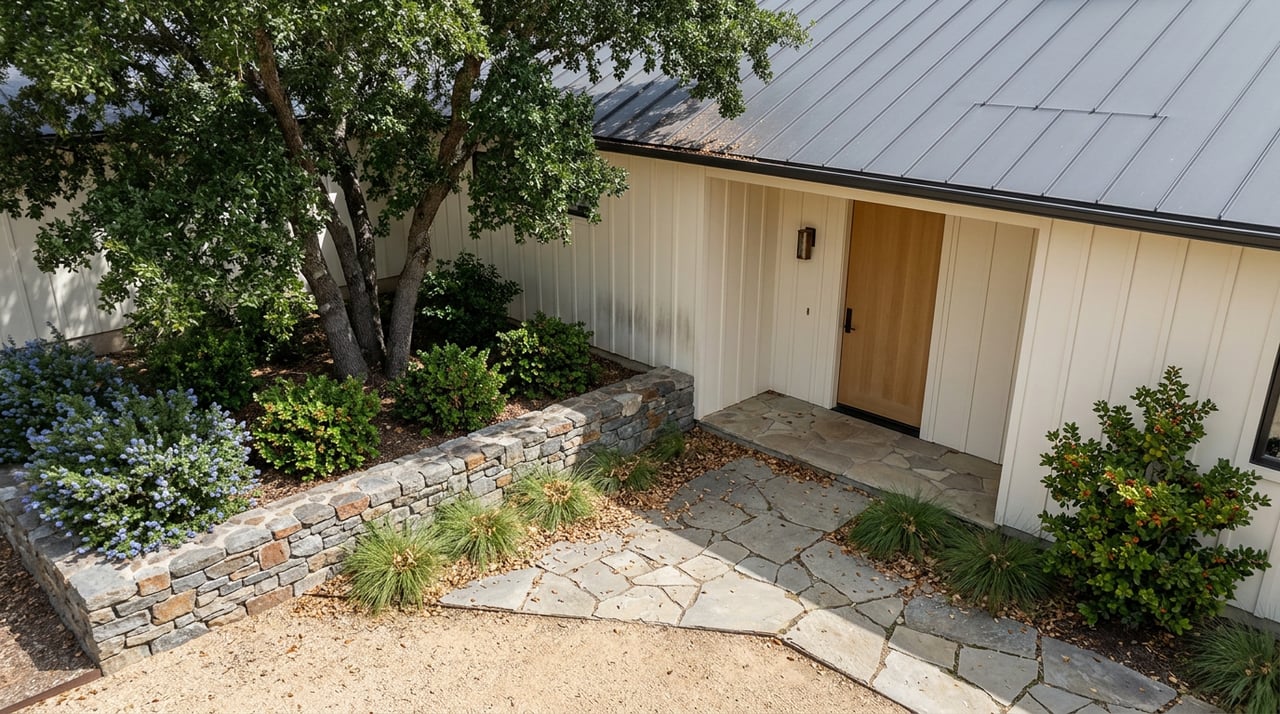
"These updates remove unnecessary barriers for homeowners while continuing to protect public health and the environment," said Jason Phillippe, director of Placer County Environmental Health, when the county finalized a round of septic rule changes last fall. It reads like routine government housekeeping. It reads differently to a buyer three weeks into escrow on a Christian Valley property, staring at a lender's request for a water potability test that nobody mentioned during the home inspection.
That gap between what a standard inspection covers and what a well-and-septic property actually requires is where most Auburn transactions hit their first real snag. It has nothing to do with whether the system works. It has everything to do with whether anyone budgeted for the extra week.
The Inspection That Isn't On Anyone's Checklist
A general home inspection in Auburn looks at the roof, the foundation, the electrical panel, the HVAC. It does not look inside a septic tank, and it does not test what comes out of a well. Those are two separate evaluations, ordered separately, often from different companies, and they carry their own timelines.
Here's what that split typically means in practice:
- A septic evaluation usually involves locating and uncovering the tank, pumping it to inspect the baffles and interior condition, then running water to confirm the drain field accepts flow.
- A well test is a water quality question, not a plumbing question. A certified lab checks for bacteria and nitrates, and the results have to come from an accredited lab before most lenders will accept them.
- Loan type changes the pressure. FHA, VA, and USDA files commonly require a current water test as a condition of funding. Conventional loans often skip it unless something else in the file raises a flag.
None of this is exotic once you know it's coming. The problem is sequencing. A buyer's lender asks for lab-certified water results in week two, the seller hasn't tested the well in years, and a transaction that was supposed to close in three weeks now waits on a lab turnaround that has nothing to do with the house itself.
Placer County's own site evaluation rules add a second layer worth knowing before you list. A septic permit and its approved disposal area are tied to the parcel's condition at the time of the report. Grading, a new well, a pond, or an added structure can render that original approval invalid, which means a homeowner planning a pool or an accessory dwelling unit on a septic lot should call the county's Environmental Health division before drawing up plans, not after.
The Rule Placer County Just Changed
For years, Placer County required a property to connect to public sewer if it sat within 300 feet of an available line, measured from the property line. Under the county's updated Local Agency Management Program, approved by the Board of Supervisors in July 2025 and given final sign-off by the Central Valley Regional Water Quality Control Board that October, the trigger changed to 200 feet, measured from the structure instead of the property boundary.
County officials framed the change as cost relief. District 1 Supervisor and Board Chair Bonnie Gore called it "a common-sense change to our ordinance," pointing to how far construction costs have climbed for homeowners trying to modify their properties. The broader update also created more flexibility for smaller septic tanks and made it easier to connect a new accessory dwelling unit to an existing system if it has the capacity, rather than requiring a whole new installation.
For an Auburn homeowner on septic near town, the practical upshot is this: the rule that decides whether you can stay on your current system or get pulled into a mandatory sewer hookup just moved, and it moved in the homeowner's favor. A parcel that sat right at the edge of the old 300-foot, property-line measurement may not sit at the edge of the new 200-foot, structure-based one. That is not a guarantee for any specific address. It is a reason to actually check, especially if you are listing a property in the next year and don't want a buyer's lender or a county reviewer to surface a forced-connection requirement mid-escrow.
Two Housing Markets Wearing One ZIP Code
Auburn's citywide numbers hide a real split, and the utility question is a big part of why.
| Downtown Auburn core | Auburn citywide | |
|---|---|---|
| Typical utilities | PCWA water, city sewer | Mix of municipal service and private well and septic |
| Recent median sale price | $460,000 | $699,000 |
| Window | Three months ending July 2026 | August 2026 |
That gap is too wide to explain with square footage alone. Downtown Auburn is smaller lots, older housing stock, and everything tied into municipal water and sewer. Move outward toward Christian Valley, Auburn Lake Trails, the Cool area, or stretches of the Highway 49 corridor, and you're generally looking at larger acreage, more custom construction, and a private well and septic system as the norm rather than the exception. The acreage carries the price. The utilities carry the paperwork.
This matters for how you price and market a listing. A buyer comparing a Downtown Auburn bungalow to a five-acre Christian Valley property on well and septic is not comparing two versions of the same transaction. One closes on a fairly standard timeline. The other has two extra inspections, a lender that may or may not care about the water test depending on loan type, and county setback rules that get more complicated as neighboring parcels build out. Placer County's setback table allows disposal fields as close as 10 feet from an interior property line if the adjacent parcel already has an approved well and dwelling, but pushes that requirement to 50 or 75 feet if it doesn't. In other words, your septic siting math can change based on what your neighbor builds, not just what you do on your own lot.
What This Means If You're Closing This Year
If you're preparing to sell a well-and-septic property in Auburn, the sequence that avoids the most delay looks like this:
- Order the septic evaluation and well water test before you list, not after an offer comes in. Costs typically run into the hundreds of dollars per evaluation, and having current results in hand lets you price and disclose with confidence instead of reacting to a buyer's inspector.
- Pull your parcel's septic permit history from Placer County Environmental Health, especially if the property has had any additions, a new well, grading, or landscaping changes since the original approval. The department can tell you whether those changes affect your existing disposal area approval.
- If your property sits reasonably close to a sewer line, ask directly whether the new 200-foot, structure-based standard changes your status compared to the old 300-foot rule. This is a five-minute phone call that can save weeks of surprise.
- If you're buying rather than selling, ask your lender early which inspections your specific loan type requires. An FHA or VA buyer who assumes the standard home inspection covers the well is the buyer most likely to get a late-stage request that stalls closing.
If you're evaluating a municipal-water property instead, it's worth knowing that Placer County Water Agency has active infrastructure work around town. A pipeline replacement along Old State Highway is underway, along with renewal work beneath Highway 49, and a project along Fulweiler Avenue and Garfield Street is scheduled to run from fall 2026 through spring 2027. None of this affects a well-and-septic property, but if you're closing on a home in one of those corridors, it's a reasonable question to ask your agent or the seller about construction timelines and any planned assessments.
A Few Common Questions
Does the new sewer-connection rule apply to homes already on septic, or only new construction? It applies to the standard the county uses when it evaluates a parcel's proximity to available sewer, which comes up during permitted changes, additions, and certain property transfers, not just new builds. If your septic system is functioning and you're not triggering a county review, the rule change is background information rather than an action item. If you're planning an addition or listing a borderline property, it's worth confirming your status directly with Environmental Health.
Who typically pays for the well and septic evaluations in Auburn? There's no fixed rule. In most transactions it's a negotiation point similar to any other inspection contingency, and it often comes down to who requests it. Many sellers on well-and-septic properties order their own pre-listing evaluation so they control the timing and can address anything before a buyer's inspector does.
If the septic system is relatively new, can you skip the inspection? Age isn't the same as condition, and most lenders and buyers will still want current documentation regardless of the system's install date. A newer system generally inspects more cleanly and faster, but it rarely eliminates the requirement altogether.
Well-and-septic properties aren't a complication to avoid in Auburn. They're a large share of what makes the foothill lifestyle here possible, from Christian Valley's acreage to the quieter roads around Cool. Knowing exactly which rules apply to your specific parcel, and which ones just changed, is what keeps that lifestyle from turning into a closing delay.
If you're weighing a sale or a purchase in Auburn and want a clear read on where your property stands, Olani Properties can help. Get your free home valuation and a straight answer on what your specific parcel's utilities mean for your timeline.