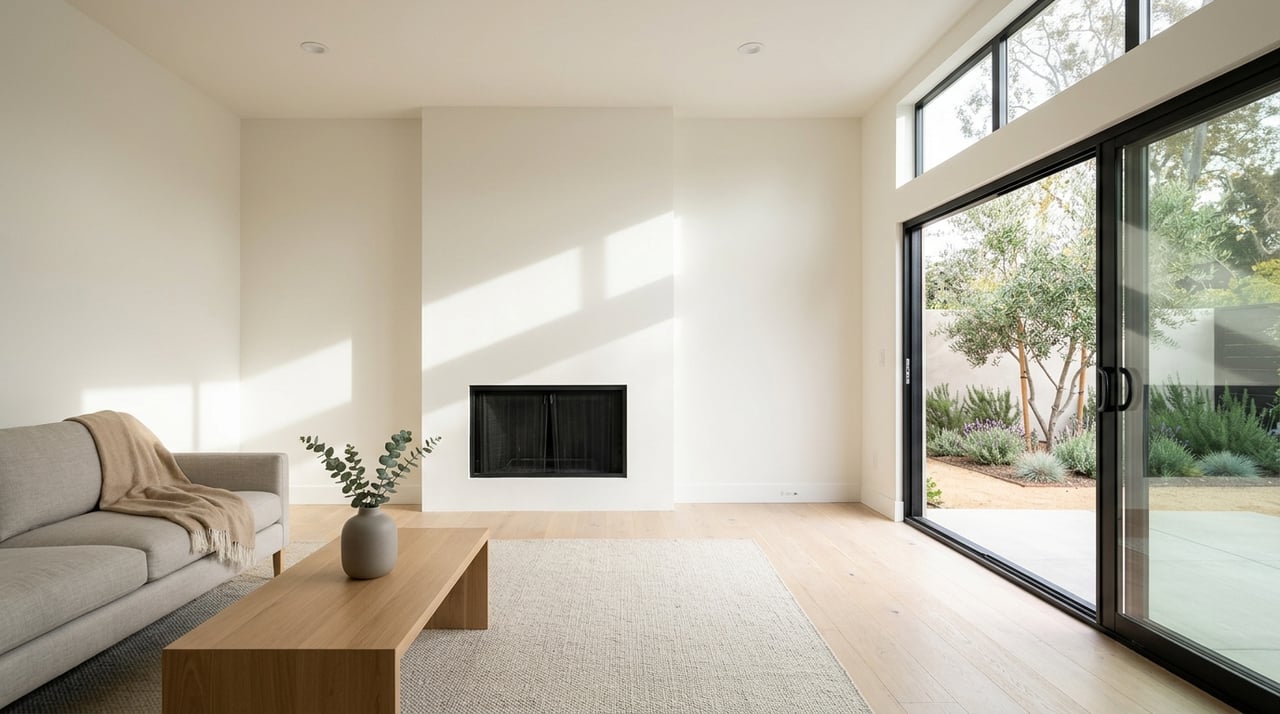
Wondering if you need a full remodel before you sell your Citrus Heights home? In most cases, you do not. What usually matters more is smart preparation that helps buyers see a clean, well-cared-for home from the moment your listing goes live. If you want to maximize appeal without wasting time or money, this guide will walk you through the updates, staging choices, and timing decisions that can make the biggest difference. Let’s dive in.
Why preparation matters in Citrus Heights
Citrus Heights remains a competitive resale market. Over the three months ending May 2026, the median sale price was $479,463, homes sold in a median of 20 days, and 209 homes sold in May, up 10.6% year over year.
That said, a competitive market does not mean every home sells effortlessly. About 49.6% of Citrus Heights homes sold above list price, but 29.7% also had price drops, which shows that pricing and presentation still need to work together.
Buyers are also comparing your home closely to nearby options. About 74% of Citrus Heights homebuyers searched to stay within the local metro area, so the homes around you and the overall neighborhood-level presentation can directly shape how your property is perceived.
Start with visible repairs
If you are deciding where to spend first, begin with the small issues buyers notice right away. Visible repairs usually do more for buyer confidence than jumping straight into major cosmetic upgrades.
Focus on practical fixes like these:
- Patch nail holes
- Touch up scuffed walls
- Repair leaky faucets
- Replace broken hardware
- Make sure all lights work
- Clean dingy grout and old caulk
- Fix damaged screens or trim
These projects are usually affordable, but they can make your home feel more complete and better maintained. Unfinished projects and obvious repair needs can make a home harder to sell, even when demand is strong.
Skip the big remodel first
Many sellers assume they need to renovate before listing. In reality, the evidence points more strongly toward decluttering, painting, staging, and fixing visible faults than toward taking on a large remodel.
That can be good news if you want to keep your prep budget under control. Instead of tearing apart a kitchen or starting a major bathroom project, focus on making the home feel clean, functional, and move-in ready.
Use neutral paint and simple updates
A fresh coat of paint can go a long way, especially if your current colors are bold, dated, or very personalized. Neutral shades like beige, gray, or soft white tend to help rooms feel brighter and easier for buyers to imagine as their own.
You do not need to repaint every room if the home already shows well. Focus on the most visible areas and any walls with wear, strong color, or patchwork.
Small updates can support that fresh look. New cabinet pulls, matching light bulbs, and clean switch plates are inexpensive details that help the whole home feel more polished.
Declutter so buyers can focus
Decluttering is one of the most effective low-cost steps you can take before listing. A clean, open room tends to look larger, photograph better, and feel easier for buyers to picture living in.
Start by removing bulky furniture, packing away personal items, and simplifying shelves and countertops. Fresh bedding and towels can also make bedrooms and bathrooms look cleaner and more inviting.
Do not forget storage areas. Keeping closets about half full helps them appear more spacious and organized.
Stage the rooms that matter most
If you are not staging the entire home, prioritize the rooms buyers notice first. According to the 2025 Profile of Home Staging, the living room, primary bedroom, and kitchen are the most important rooms to stage from a buyers' agent perspective.
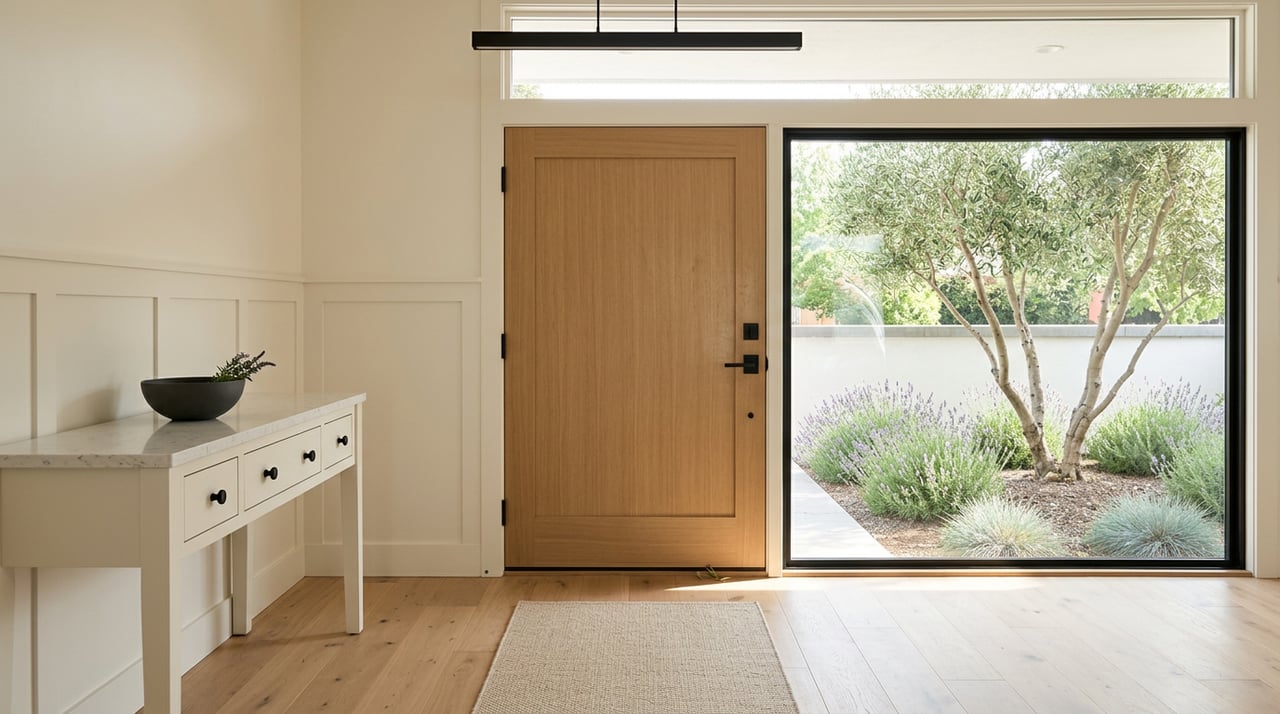
That does not always mean bringing in all new furniture. Sometimes it means better layout, fewer pieces, cleaner styling, and a few finishing touches that help each room feel balanced and functional.
A few high-impact staging moves include:
- Open up the living room by removing extra chairs or large furniture
- Use simple, fresh bedding in the primary bedroom
- Clear kitchen counters except for a few intentional items
- Add clean towels and minimal accessories in bathrooms
- Keep window areas open to maximize natural light
Staging also helps with marketing. Photos, traditional physical staging, videos, and virtual tours all ranked as important or very important to buyers.
Keep your staging budget realistic
You do not need to overspend to get results. NAR reports a median staging spend of $1,500 when a professional staging service is used, compared with $500 when a seller's agent personally stages the home.
For many Citrus Heights sellers, that supports a consultation or partial-staging approach instead of a full-furnishings package. If your home already has solid furniture and a good layout, strategic edits may be enough to improve how it shows online and in person.
This is where a full-service team can add value. Guidance on what to keep, what to pack, and where to spend can help you avoid paying for updates that do not meaningfully improve your sale outcome.
Boost curb appeal before launch
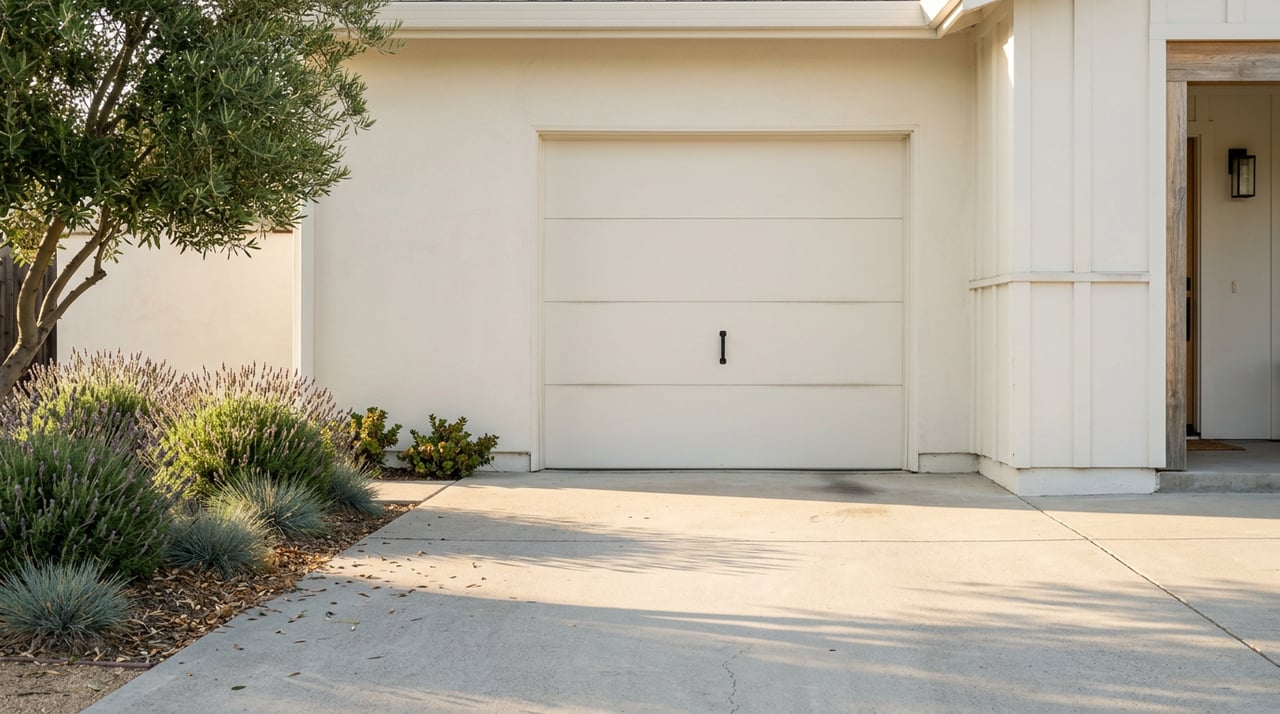
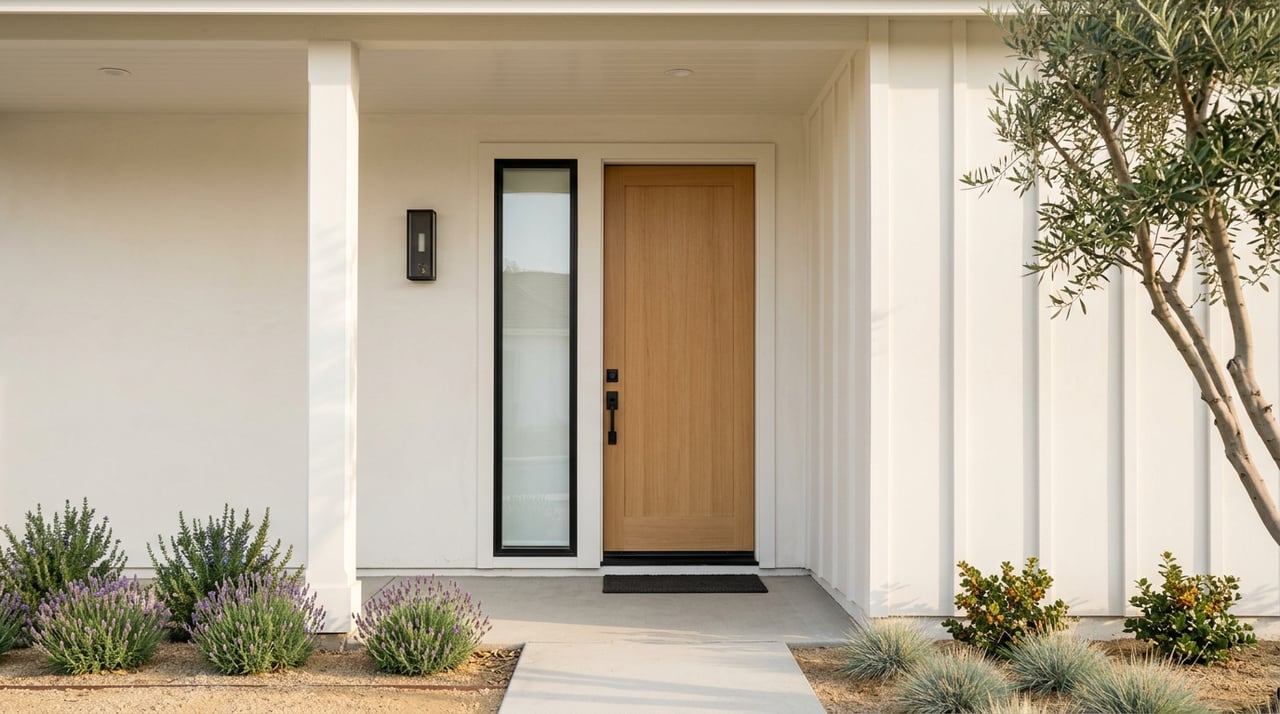
Buyers start forming an opinion before they ever step inside. Curb appeal is one of the clearest low-cost ways to strengthen that first impression.
NAR reports that 97% of members believe curb appeal is important to attracting a buyer, and 92% have suggested sellers improve curb appeal before listing. In practical terms, that means your exterior should look clean, simple, and cared for.
Before photos or showings, tackle basics like:
- Mow the lawn
- Trim shrubs
- Remove weeds
- Pressure-wash dirty walkways or siding
- Sweep the porch and entry
- Add a simple doormat or small potted plants
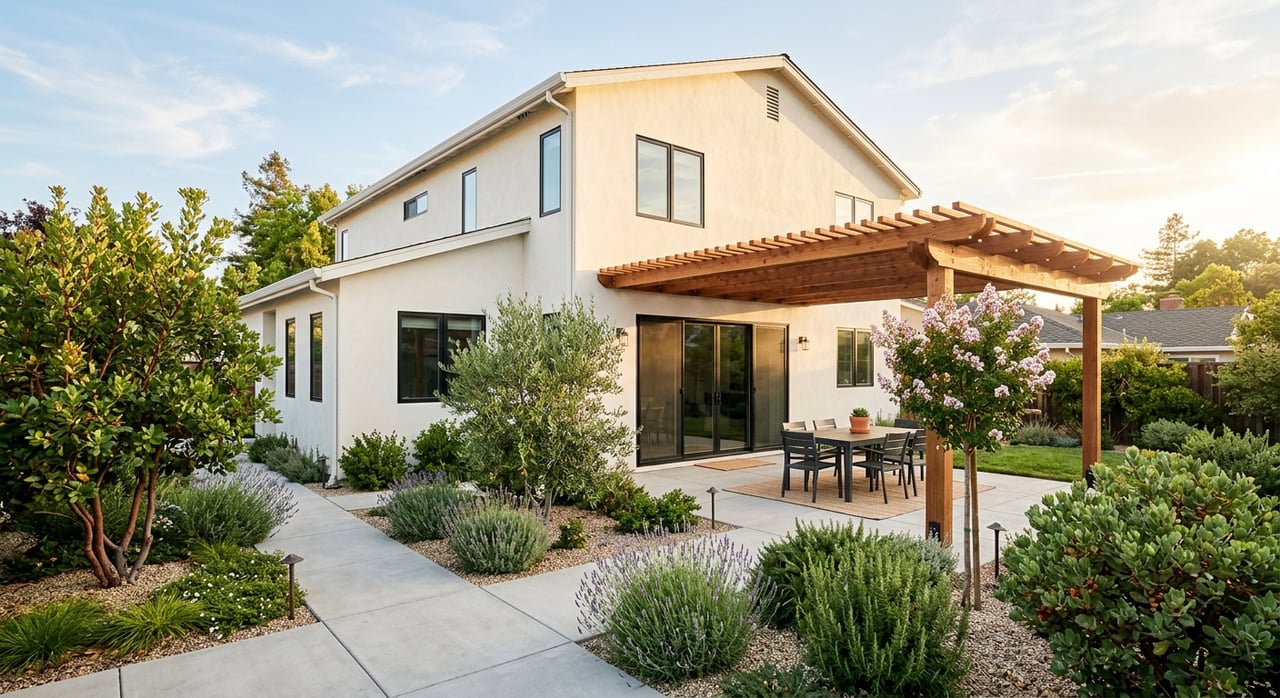
For Citrus Heights, tidy and low-maintenance landscaping can be especially appealing. With severe heat risk, moderate wildfire risk, and minor flood risk noted for the city, buyers may respond well to an exterior that looks clearly maintained and easy to manage.
Finish prep before you list
Timing matters, but preparation matters more. National 2026 timing research from Zillow says late May is often a strong listing window, with homes listed in the last two weeks of May earning about 1.7% more on average, and returns generally stronger from March through July.
Still, you do not want to rush a home onto the market before it is ready. In Citrus Heights, where homes sold in a median of 20 days and Sacramento County posted a 100.3% sale-to-list ratio, your launch needs to be sharp from day one.
That means finishing repairs, paint, cleaning, staging, and photography before the listing goes live. A strong first week can shape the entire outcome.
Pair presentation with pricing
Even a beautifully prepared home can struggle if it is priced without regard to the current market. The Citrus Heights numbers show a split market, with some homes attracting multiple offers and others needing price reductions.
That is why preparation and pricing should never be treated as separate decisions. The goal is to position your home so buyers see value immediately based on condition, nearby competition, and current demand.
A thoughtful pricing strategy can help you avoid chasing the market with later reductions. When your home is well prepared and priced with discipline, you give yourself a better chance to attract serious interest early.
Get disclosures organized early
Pre-listing preparation is not only about appearance. It also includes getting your paperwork in order so the transaction can move more smoothly once you have a buyer.
In California, sellers commonly deliver a Real Estate Transfer Disclosure Statement, or TDS. The California Department of Real Estate says the TDS is a disclosure of condition, not a warranty, and not a substitute for inspections.
Additional natural hazard disclosures may also apply. If your Citrus Heights home was built before 1978, federal law also requires disclosure of known lead-based paint information before sale, and buyers have the right to receive that information before signing.
Getting these items on your radar early can reduce stress later. It also helps you prepare for buyer questions before your home hits the market.
A smart prep plan wins
The best way to prepare your Citrus Heights home for sale is usually not flashy or expensive. It is a disciplined plan built around visible repairs, neutral updates, decluttering, targeted staging, curb appeal, accurate pricing, and a polished launch.
In a market where many homes still receive strong attention but price drops also happen, details matter. When your home looks cared for, photographs well, and enters the market fully prepared, you put yourself in a stronger position from the start.
If you want expert guidance on what to fix, what to skip, and how to prepare your home for the best possible launch, Real can help you build a clear, low-stress plan tailored to your Citrus Heights sale.
FAQs
What should Citrus Heights sellers fix before listing a home?
- Start with visible issues buyers notice quickly, such as wall scuffs, nail holes, leaky faucets, broken hardware, nonworking lights, damaged trim, and worn grout or caulk.
Do Citrus Heights homeowners need a full remodel before selling?
- Usually no. The strongest prep steps are often decluttering, neutral paint, staging, and fixing obvious faults rather than taking on major renovations.
Which rooms matter most when staging a Citrus Heights home for sale?
- The living room, primary bedroom, and kitchen are the most important rooms to stage based on the 2025 Profile of Home Staging.
How much should sellers budget for staging a Citrus Heights home?
- Reported median staging spend was $1,500 when using a professional staging service and $500 when the seller's agent staged the home.
When is the best time to list a home in Citrus Heights?
- If your timing is flexible, late spring is often a strong window, but your home should not go live until repairs, cleaning, staging, and photos are fully complete.
What disclosures should Citrus Heights sellers prepare before listing?
- Common items include the California Real Estate Transfer Disclosure Statement, applicable natural hazard disclosures, and lead-based paint disclosure for most homes built before 1978.