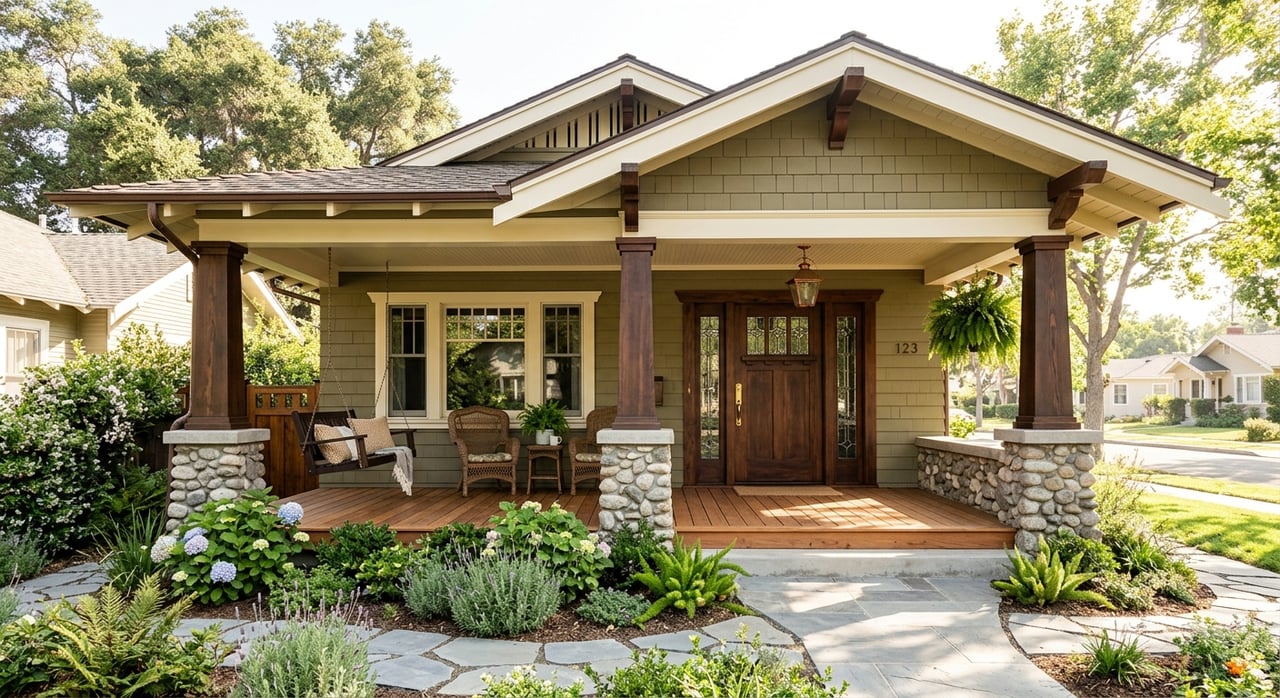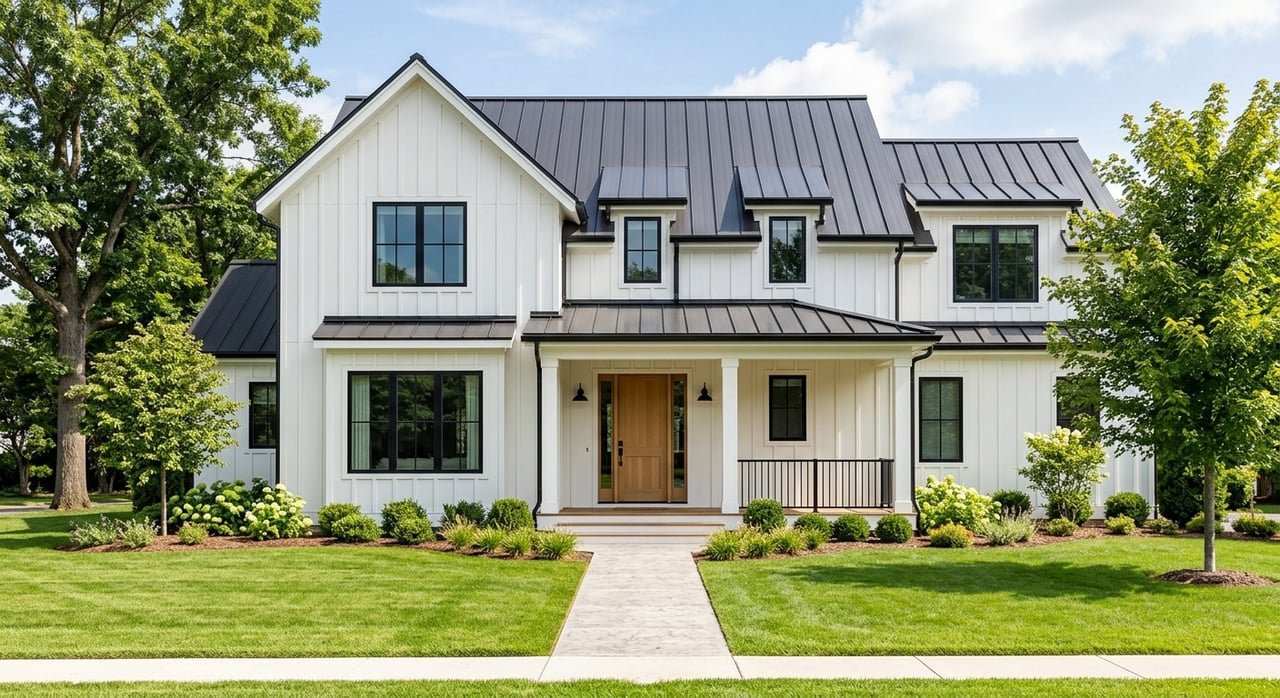
Trying to decide between a shiny new build and an established resale home in Lincoln? You are not alone. With ongoing development across northern Placer County and a steady flow of resale options, buyers here have real choice. This guide breaks down timelines, costs, inspections, incentives, and how buyer representation helps you protect your time and money. Let’s dive in.
Lincoln context: what to know
Lincoln continues to grow with a mix of new subdivisions on the city’s edges and established neighborhoods closer to downtown. Builders release communities in phases, while resale homes offer immediate variety. Local conditions shift with interest rates, so checking current market data through local MLS and the Placer County Association of Realtors helps you understand whether negotiations favor buyers or sellers at the moment.
New construction: what to expect
Timelines and delivery types
- Quick-move-in or spec homes can often close in 30 to 90 days, depending on lender and permits.
- Inventory tract homes are faster than custom builds, which commonly take 6 to 12 months or more from contract to move-in.
- Ask about future phases, street connections, and amenities, since nearby construction may affect noise and traffic until the community is built out.
Pricing, incentives, and how they work
- Builders often offer price promotions, rate buydowns, lender credits, paid closing costs, or upgrade packages.
- Incentives can be price reductions, seller concessions, or lender credits. The structure matters for your appraisal and loan program.
- Builder sales agents represent the builder. Bring your own agent to evaluate incentives, contract terms, and deadlines.
Warranties and post-closing support
- Typical coverage follows a 1/2/10 pattern: 1 year for workmanship, 2 years for systems, and 10 years for major structural defects. Confirm the exact language in writing.
- Many builders use third-party warranty providers. Ask about the claims process and who performs repairs.
- Plan for a punch list and conduct independent inspections at pre-drywall and final stages.
Lots, location, and everyday life
- Pros: modern layouts, current energy code compliance, efficient systems, and lower near-term maintenance.
- Considerations: newer communities may be farther from established retail, have less mature landscaping, and experience ongoing construction. Lot placement near open space or busy roads also affects daily life and resale.
Fees, taxes, and assessments
- Many new neighborhoods include HOAs. Review CC&Rs, fees, and budgets.
- Some areas use Mello-Roos or Community Facilities District special taxes to fund infrastructure. These increase annual carrying costs, so verify estimated amounts.
- New homes often deliver better energy performance, which can help with monthly utilities.
Quality control and inspections
- Even brand-new homes can have defects. Schedule at least a pre-drywall inspection and a final independent inspection.
- Consider pest, roof, HVAC commissioning, and drainage reviews as needed.
- Document all items during your final walkthrough and confirm warranty start dates and remedies in writing.
Resale homes: what to expect
Move-in timelines and flexibility
- Typical financed closings take about 30 to 45 days. Cash can close sooner.
- You can shop different neighborhoods, lot sizes, and styles right away, often with mature trees and landscaping.
Neighborhood and lot tradeoffs
- Pros: established areas may offer immediate access to services and parks, and many resale homes have unique features or larger lots.
- Considerations: older roofs, HVAC, windows, or sewer laterals may need repair or replacement. Some floor plans may feel dated if you prefer open layouts.
Inspections and negotiation options
- Standard practice includes home, pest, and roof inspections. Sewer lateral, HVAC, or foundation specialists may also be appropriate.
- You can often negotiate repairs or credits based on findings, subject to current market leverage.
- Appraisals rely on recent comparable sales. Pricing volatility can affect results, so review comps carefully.
Costs and long-term considerations
- Resale homes can be priced lower per square foot than new builds, but maintenance or renovations may be higher.
- You can update kitchens, baths, and systems over time and potentially add value.
- Confirm your property tax basis and any special assessments. In California, prior improvements can affect reassessment.
New vs. resale: quick comparison
| Factor | New Construction | Resale Home |
|---|---|---|
| Move-in timeline | 30–90 days for spec, 6–12+ months for custom | 30–45 days financed, faster with cash |
| Upfront costs | Possible premiums and lot fees; incentives may offset | Often lower price per square foot; repairs may be needed |
| Ongoing costs | HOAs common; possible Mello-Roos/CFD; efficient systems | Varies by age and condition; fewer special taxes in some areas |
| Inspections | Pre-drywall and final highly recommended | Full inspection suite; repair credits often negotiable |
| Warranties | Typical 1/2/10 structure; confirm provider | No builder warranty; home warranty optional |
| Neighborhood feel | New amenities, less mature landscaping, ongoing build-out | Established services and landscaping; varied styles |
Financing and appraisal basics
New construction financing
- Inventory homes typically use standard mortgages and close like resale.
- Custom builds may require construction-to-permanent loans with draw schedules.
- Preferred lender incentives can be attractive. Compare offers and confirm how credits appear on your loan estimate.
- Appraisals often use new-construction comps within the same tract. Confirm whether lot premiums are supported by comparable sales.
Resale financing
- Conventional, FHA, VA, and jumbo options vary by property and buyer profile. Appraisals rely on nearby sales.
- Large seller concessions have limits depending on loan type. Ask your lender and agent to structure credits wisely.
How a buyer’s agent protects you in Lincoln
- Contract clarity: Builder contracts and addenda differ from standard forms. Your agent flags deadlines, change-order rules, and warranty terms.
- Incentive strategy: Structure price reductions, credits, or rate buydowns to help with appraisal and payments.
- Inspection coordination: Schedule pre-drywall and final inspections on new builds, and a full suite on resales. Your agent helps interpret findings and build a repair or credit plan.
- HOA and tax review: Request CC&Rs, budgets, and reserve studies, and check for Mello-Roos or other special assessments.
- Post-closing support: If warranty issues arise, your agent helps document and escalate for resolution.
- Transparency on fees: In many cases, builders offer a commission to buyer agents, but terms vary. Review your representation agreement early.
Checklist: questions to ask
If you’re buying new construction
- What is included in the base price, and what counts as an upgrade? How are upgrades documented?
- What are the exact warranty terms and exclusions? Who is the third-party provider?
- Are there Mello-Roos or CFD taxes? What are the estimated annual costs?
- Who completes warranty repairs, and what is the claims timeline?
- What is the build-out schedule for future phases and amenities?
- Is there an HOA? Request CC&Rs, budget, and any reserve study.
- Are there preferred lenders? Are incentives tied to lender choice?
If you’re buying a resale home
- What permitted work has been completed? Request permit history and final inspection records.
- How old are the roof, HVAC, water heater, and sewer line? Are there maintenance records?
- Are there any neighborhood or city requirements for the sewer lateral or other upgrades?
- Which comparable sales in the past 3 to 6 months support the price?
Your next step
Every buyer’s situation is different. The right choice is the one that fits your timeline, budget, and long-term plans. Whether you are eyeing a quick-move-in new build or an established home near downtown, a smart plan and strong representation help you get the best terms with fewer surprises. If you want a second set of eyes on incentives, inspections, or negotiation strategy, reach out to the Olani Properties team at Real for local guidance you can trust.
FAQs
Do I need a home inspector for brand-new construction in Lincoln?
- Yes. Schedule at least a pre-drywall inspection and a final independent inspection to catch hidden issues and create a thorough punch list.
How long do typical builder warranties last on new homes?
- Many follow a 1/2/10 structure: 1 year on workmanship, 2 years on major systems, and 10 years on structural defects. Confirm the builder’s written terms.
What should I know about Mello-Roos or special taxes in new communities?
- Some newer neighborhoods use Community Facilities District taxes to fund infrastructure. Verify if they apply and get annual cost estimates before you write an offer.
Can incentives from a builder affect my appraisal or loan?
- They can. The impact depends on how incentives are structured as price reductions, seller credits, or lender credits. Coordinate with your agent and lender.
What inspections are common for resale homes in Lincoln?
- Plan for general home, pest, and roof inspections, with sewer lateral, HVAC, or foundation specialists as needed. Use results to negotiate credits or repairs.