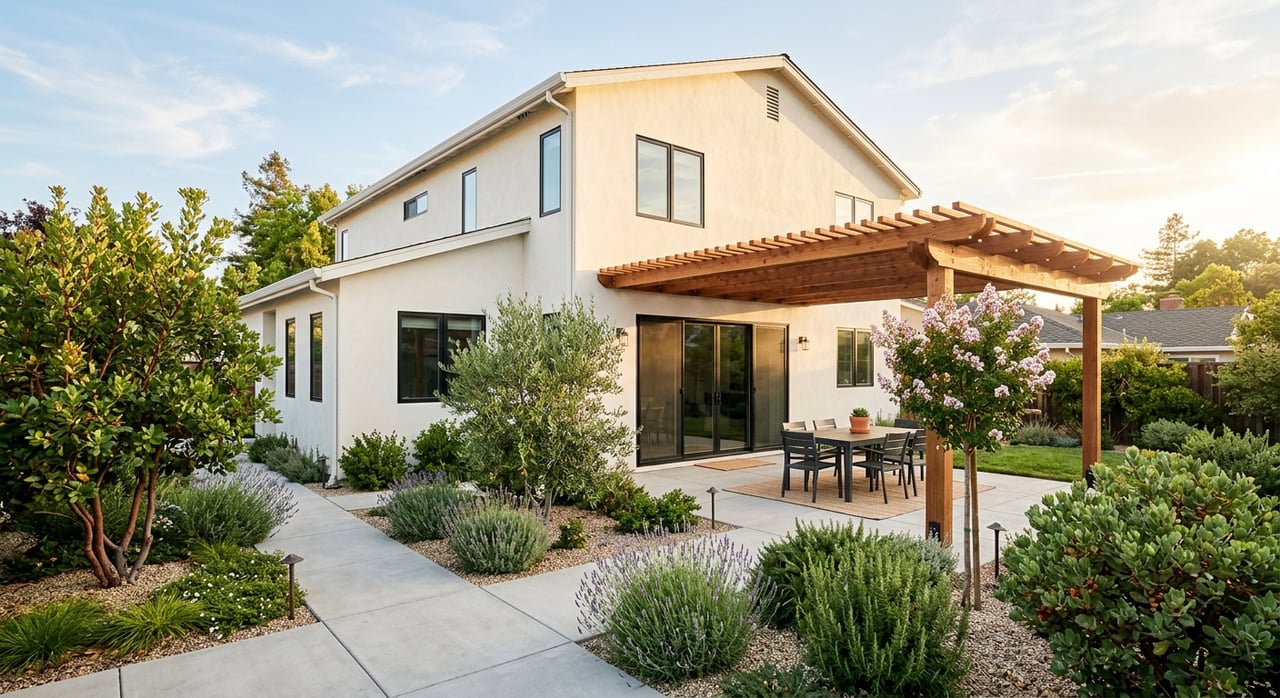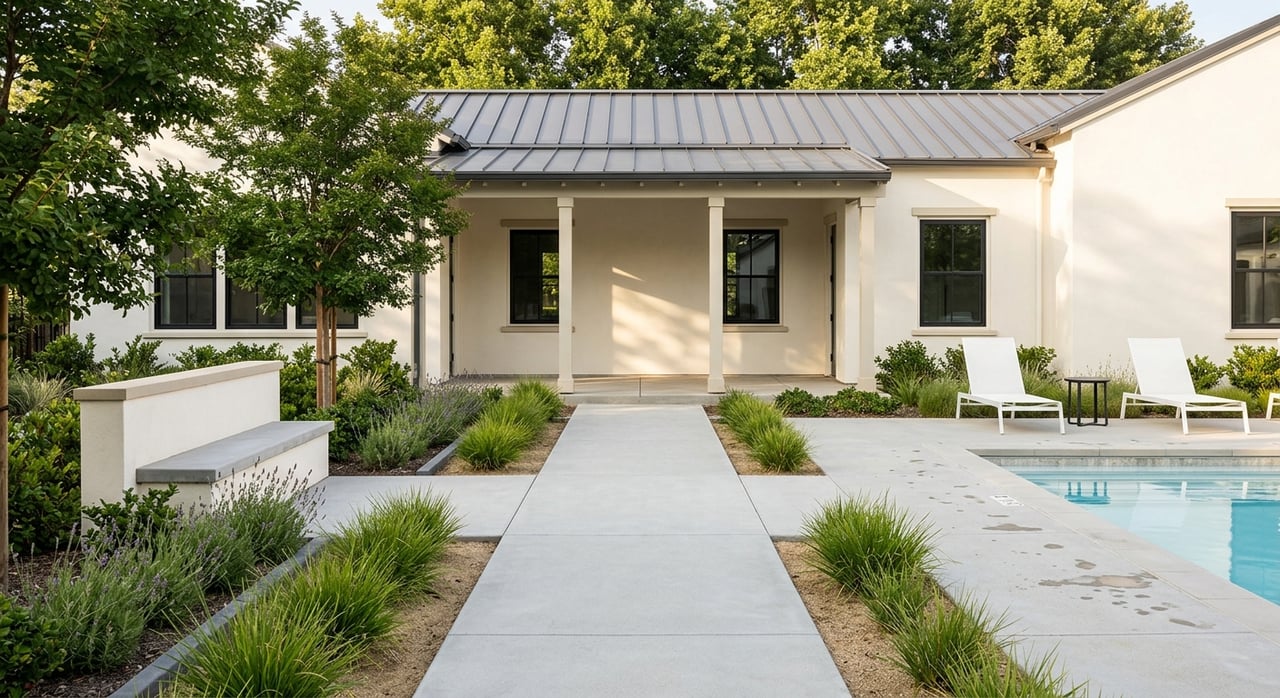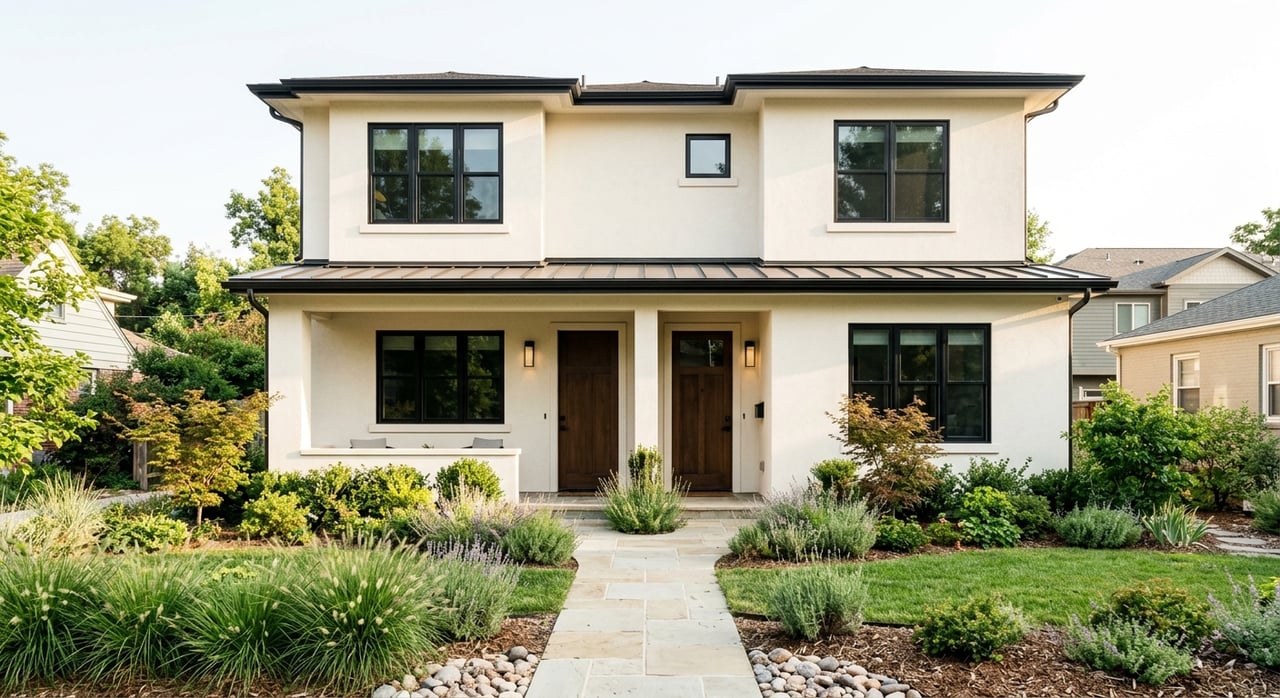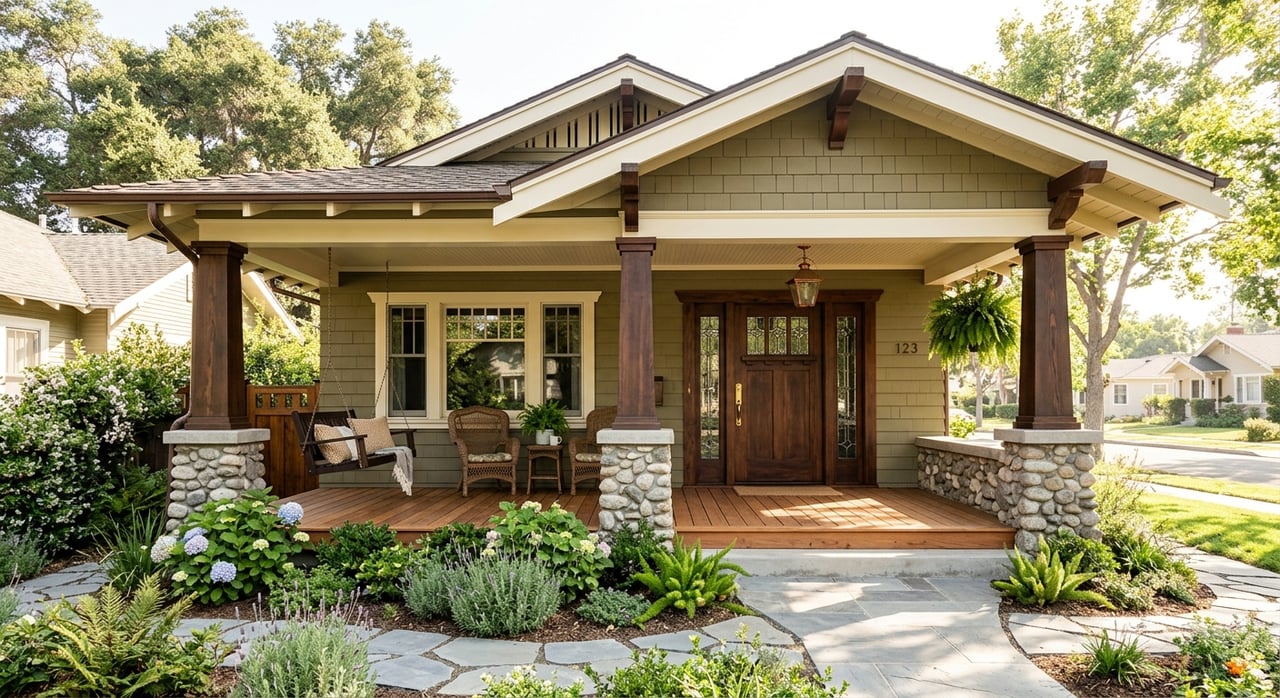
If you are drawn to places with real character, Auburn tends to stand out fast. In just a small area, you can move from a preserved Gold Rush-era core to quieter residential pockets and then out to more spacious foothill neighborhoods with a very different feel. If you are thinking about buying or selling here, it helps to understand how Auburn’s historic areas and home styles fit together. Let’s dive in.
Auburn’s historic identity
Auburn’s story starts early. The city says Auburn was founded in 1848 and later became the county seat of Placer County, which helps explain why so much of its historic identity is still visible today.
The best-known historic area is the Old Auburn Historic District. California’s historical resources listing identifies it as a registered historic district dating to 1970, roughly bounded by Maple, Commercial, Court, Washington, Spring, and Sacramento streets. In practical terms, this is the part of Auburn where the city’s older buildings, civic landmarks, and historic streetscape are most concentrated.
Where Auburn feels most historic
For most buyers and sellers, Auburn’s historic heart is easiest to picture around Old Town and Downtown near the central Lincoln Way corridor. This is where you feel the strongest connection between preserved buildings, active street life, and nearby older homes.
The city also identifies several historic residential districts beyond Old Town and Downtown. These include College Way, Crutcher Court, Huntley, Parkside Terrace, Placer High School, Tuttle, and Uptown. Because these districts cluster near the core, Auburn’s look and feel can change quickly as you move away from the older central streets.
Old Town and Downtown character
Old Town and Downtown are a big part of what gives Auburn its personality. The city describes these districts as places where antique stores, boutiques, art, breweries, wineries, restaurants, and farm markets sit alongside one another.
That mix matters if you are comparing lifestyle options. These central districts also benefit from walking-tour maps, guided and self-guided tours, public parking lots, and transit links, which can make the historic core feel more connected and amenity-rich than some outer neighborhoods.
Historic residential pockets nearby
Outside the commercial core, Auburn’s historic feel continues in smaller residential pockets. These areas often reflect the city’s older development pattern and help bridge the gap between the business districts and the more spread-out foothill neighborhoods beyond them.
If you are home shopping, this means Auburn is not just one style of place. You may find a more compact, older neighborhood experience near the center, then a different setting with more space and topographic variation as you go outward.
Auburn home styles at a glance
Auburn is still primarily a detached-home city. According to the city’s Housing Element, 67% of the housing stock is single-family detached, compared with 12% in 2-to-4-unit structures, 16% in multifamily buildings with five or more units, and 5% in single-family attached housing.
That data helps explain why Auburn often feels grounded in traditional residential living even as home styles vary from area to area. Detached homes are the main housing type, but the setting, lot shape, and neighborhood pattern can be very different depending on where you are.
Historic core homes
Near Old Town and the downtown corridor, the housing story is tied closely to preserved streets, older buildings, and established neighborhood patterns. For a consumer-friendly way to think about it, this part of Auburn is where Gold Rush-era preservation and early residential character are most visible.
A 2023 city branding survey adds an interesting layer. When residents were asked which images best represented Auburn’s personality, Main Street imagery ranked first at 49.07%, followed by single-family Victorian homes at 19.16%, suburban homes at 14.95%, farmhouses at 12.15%, and rustic cabins at 4.21%. That is not a formal inventory of home styles, but it does show how strongly people connect Auburn with a historic streetscape and older residential architecture.
Newer foothill neighborhoods
Farther from the historic core, Auburn shifts into a more open foothill pattern. The city describes Auburn as a foothill community at about 1,300 feet elevation, bordering Auburn State Recreation Area and overlooking the American River Canyon.
That geography shows up in the housing layout. In these areas, the experience often centers more on lot shape, setbacks, elevation changes, and views than on a tightly knit historic street grid.
Lot sizes and neighborhood feel
Typical single-family lots in Auburn range from about 5,000 to 20,000 square feet, according to the city’s Housing Element. The same document notes that low-density residential areas may have relatively large lots in some parts of town because of topography.
For you as a buyer, that means lot size alone does not tell the whole story. Two homes with similar square footage can live very differently depending on whether they are near the central historic corridor or in a more spacious foothill setting.
For sellers, this is also important when positioning a home. A property near the historic core may appeal for character, proximity, and neighborhood atmosphere, while a home farther out may stand out because of site layout, yard space, or a more open feel.
Why Auburn can feel like two cities
One of Auburn’s most interesting traits is how quickly the environment changes. In one short drive, you can go from older, tighter streets near Downtown and Old Town to neighborhoods where the land opens up and the foothill setting takes over.
The city’s housing policies support that contrast while still emphasizing compatibility with neighborhood character, open yard space, and streets that work for walking and other alternative travel modes. In plain terms, Auburn’s variety is not random. Its housing pattern reflects both its history and its terrain.
Historic review rules to know
If you are considering a home in Auburn’s historic core, renovation rules are an important part of the picture. The city’s Historic Design Review Commission reviews exterior changes, additions, signage, and material or color changes for properties in the Old Town Historic District and Downtown Historic District.
City documents also note that Auburn adopted a Historic Preservation Ordinance in 2004 to protect historic and architecturally significant structures in the Old Town and Downtown historic areas. Some single-family homes are also voluntarily designated as historic resources, and owners can research and nominate properties that have architectural or historical significance.
What review may cover
The city’s historic review process can apply to a wide range of exterior work. That includes new construction, alterations, reroofing, material changes, paint changes, and signage in the historic districts.
If you are buying in one of these areas, it is smart to understand that charm and oversight often come together. If you are selling, knowing how your property fits within that framework can help set clear expectations for buyers.
What defines neighborhood character
In Auburn, neighborhood character is shaped by more than architecture alone. Old Town and Downtown are defined in part by their mix of shops, restaurants, breweries, wineries, farm market activity, parking access, tours, and transit connections.
Beyond the center, Auburn leans more into its foothill setting. The city highlights trails, recreation, and the American River Canyon environment, which helps explain why some neighborhoods feel more scenic, spacious, and tied to the landscape.
What buyers and sellers should take away
If you are buying in Auburn, start by deciding what kind of setting fits your goals best. You may prefer the character-rich feel of the historic core, or you may want a detached home on a larger lot in a more open foothill neighborhood.
If you are selling, Auburn’s variety is a strength when your home is positioned well. The most effective marketing usually starts with understanding whether your property’s value is rooted more in historic setting, central convenience, lot size, or foothill atmosphere.
Auburn can be summed up simply: it is a city where Gold Rush-era preservation, early residential pockets, and newer foothill housing all coexist within a very small geographic area. That mix is a big part of what makes it memorable, and it is also what makes local guidance so valuable when you are making a move.
If you are thinking about buying or selling in Auburn, Real can help you understand how location, home style, and neighborhood character shape value and fit.
FAQs
Where is Auburn’s historic heart?
- Auburn’s historic heart is centered around Old Town and Downtown near the Lincoln Way corridor, with the Old Auburn Historic District and several nearby historic districts clustered around the city’s core.
What type of housing is most common in Auburn?
- Auburn is primarily made up of single-family detached homes, which account for 67% of the housing stock according to the city’s Housing Element.
How large are typical single-family lots in Auburn?
- Typical single-family lots in Auburn range from about 5,000 to 20,000 square feet, and some low-density areas may have larger lots because of topography.
Are there renovation rules in Auburn historic districts?
- Yes. In the Old Town and Downtown historic districts, the city reviews many exterior changes, including additions, reroofing, paint changes, material changes, and signage.
What gives Auburn neighborhoods their character?
- Auburn’s neighborhood character comes from a mix of preserved historic districts, older residential pockets, detached foothill homes, and amenities like shops, restaurants, trails, recreation, and the American River Canyon setting.